ICM : REF : 48331 : 1:48 : US : LOCKHEED : Hudson Mk III (RAF Reconnaissance Bomber)

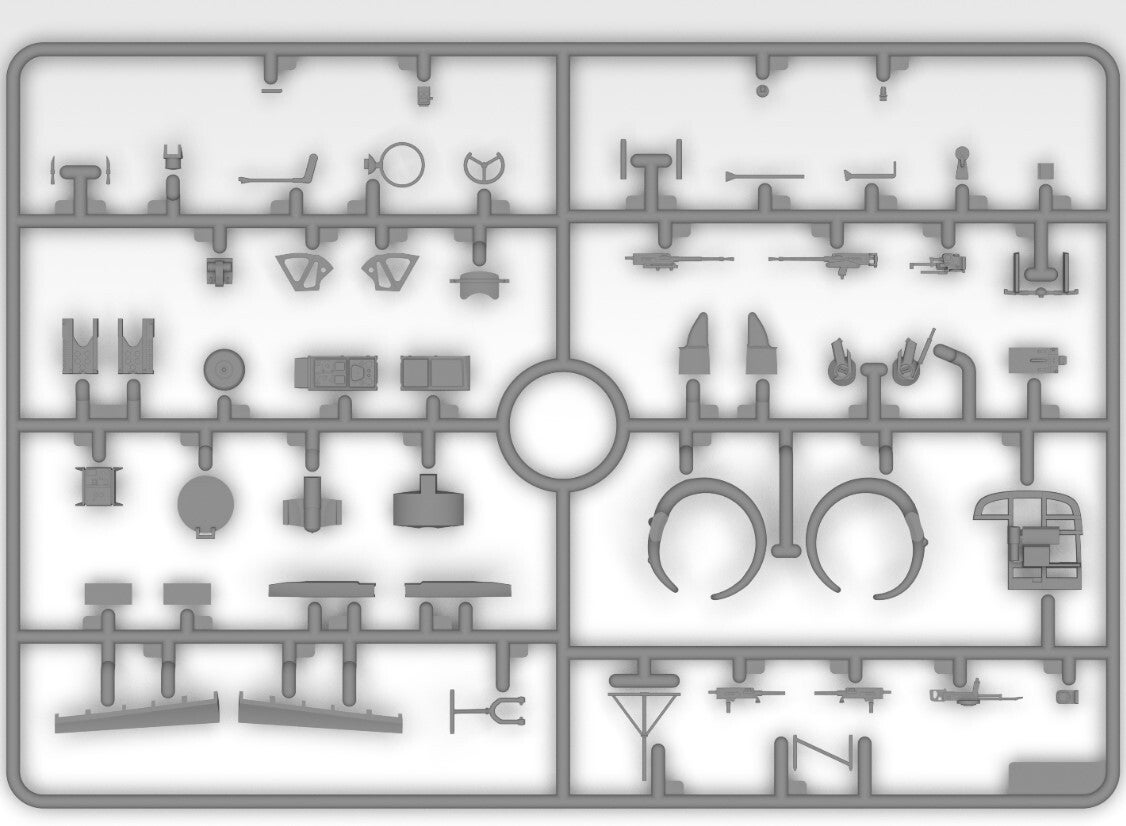
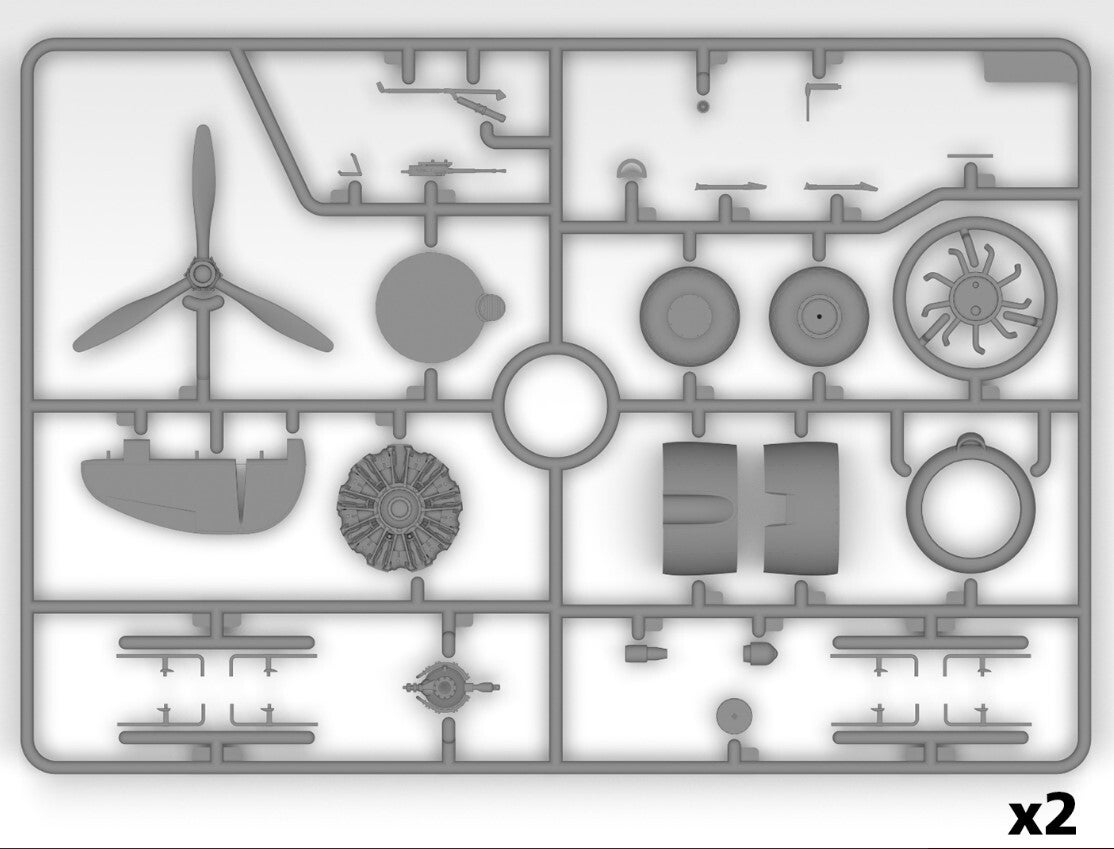
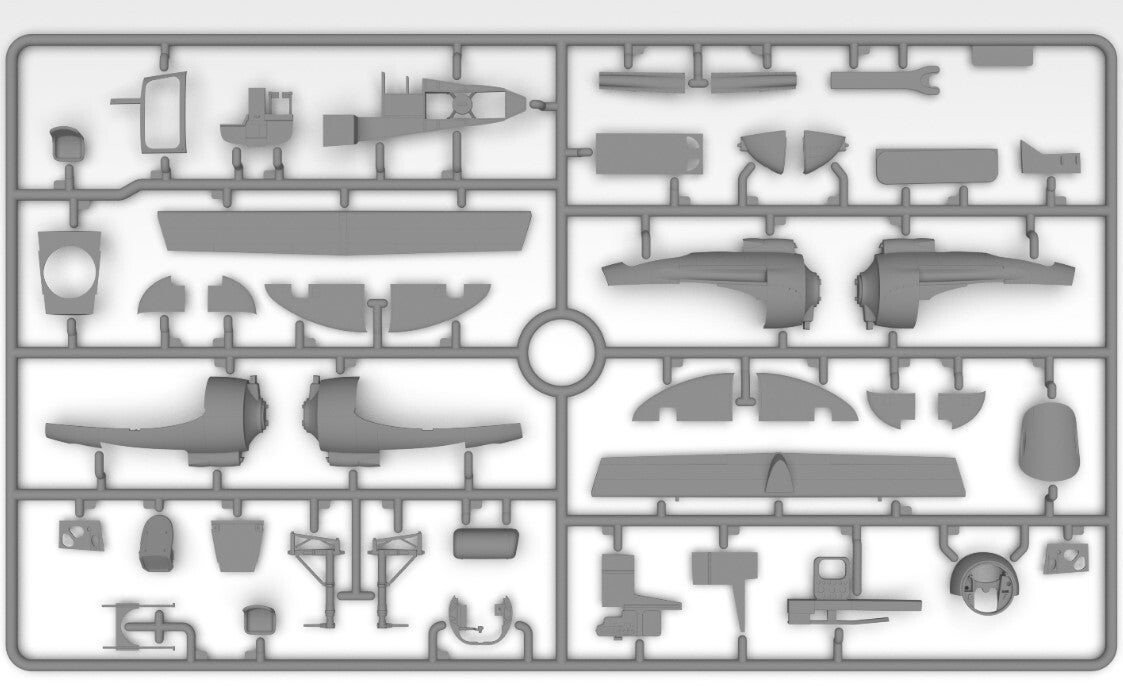
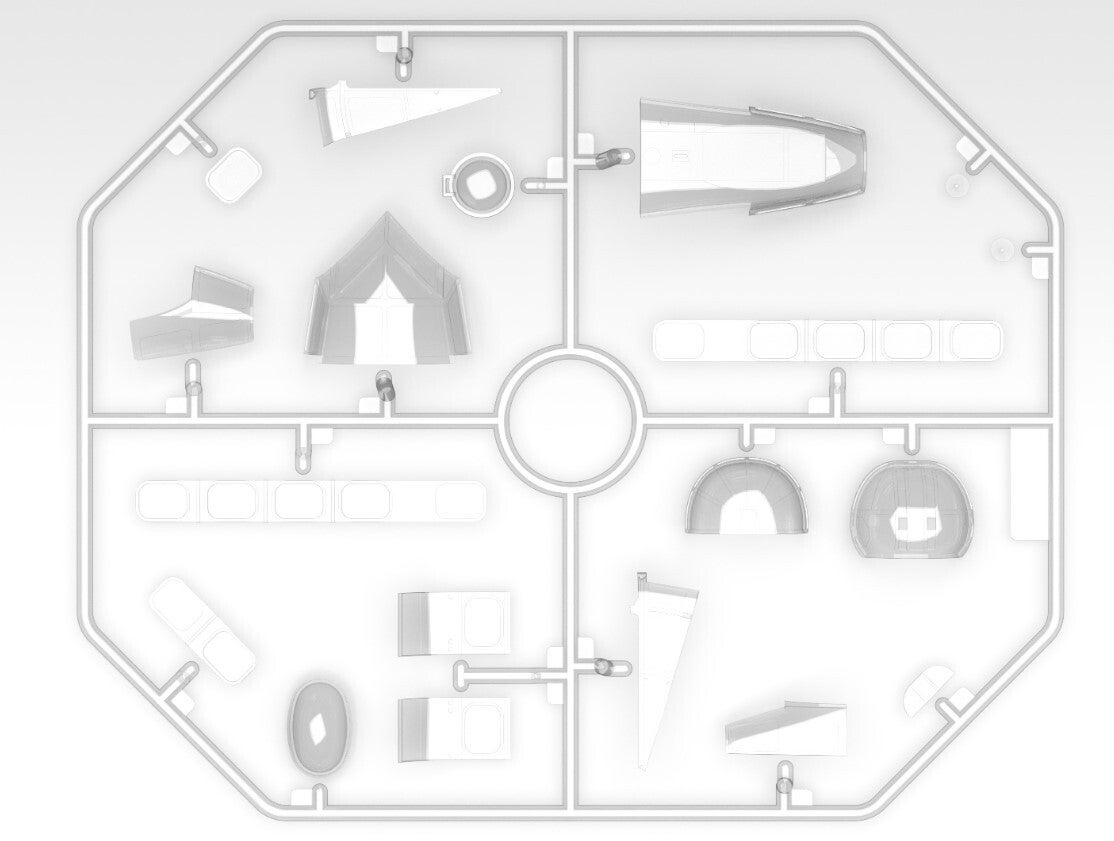
ICM REF :
48331
Manufacturer :
ICM (Ukraine).
EAN : pending.
Model size (length x height) : 283 х 420 mm.
Box Size : 410 x 260 x 55 mm.
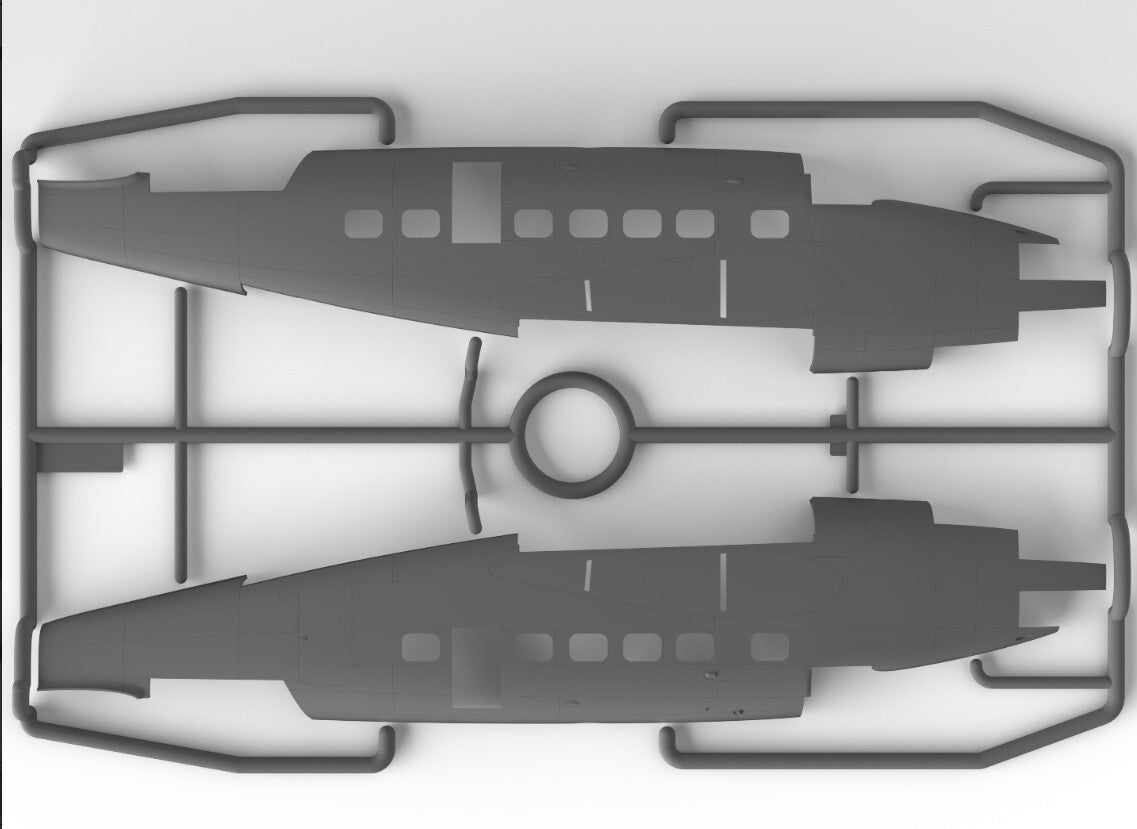
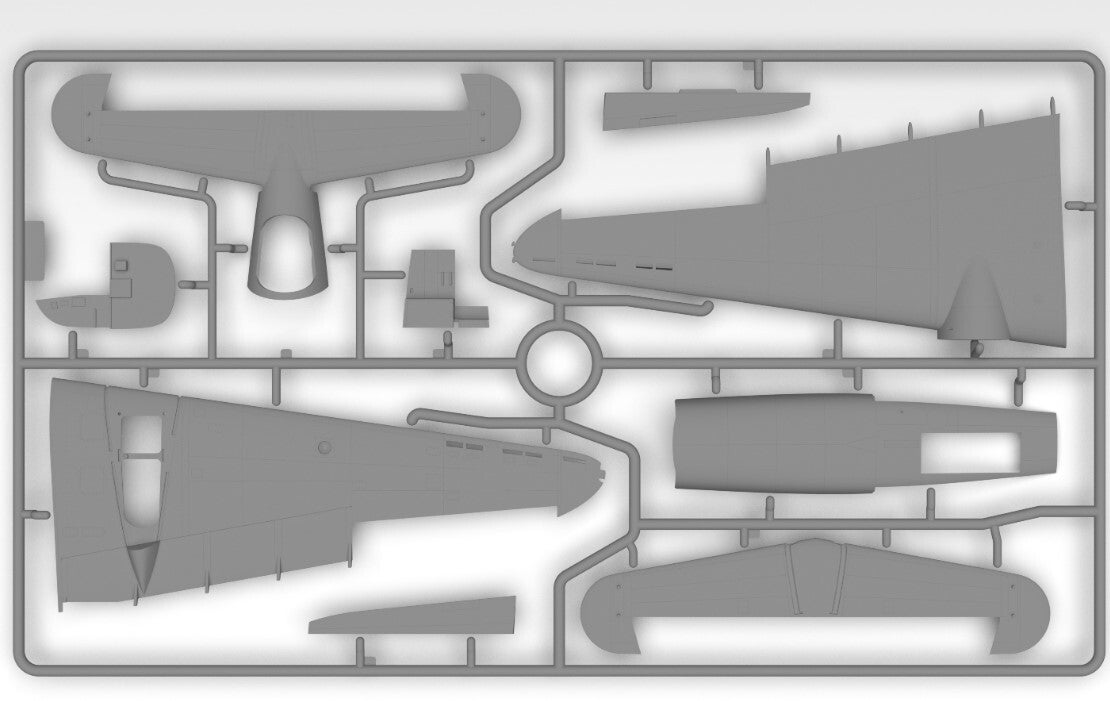
Number of details : 180.
Scale :
1:48
---
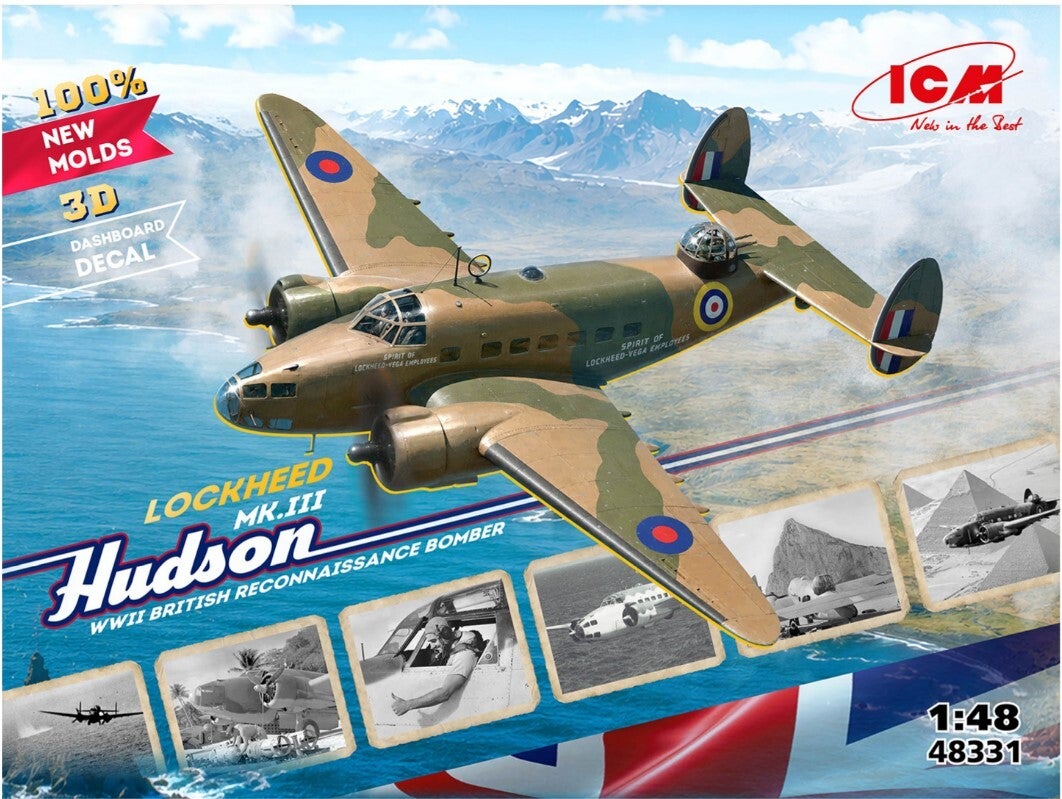
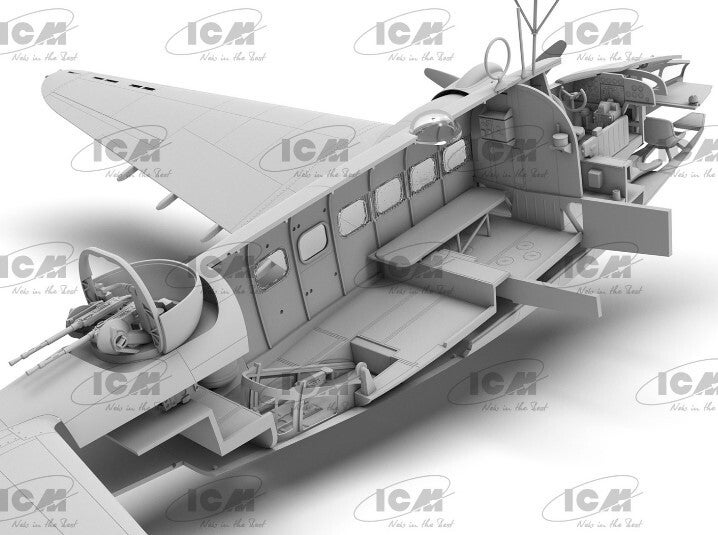
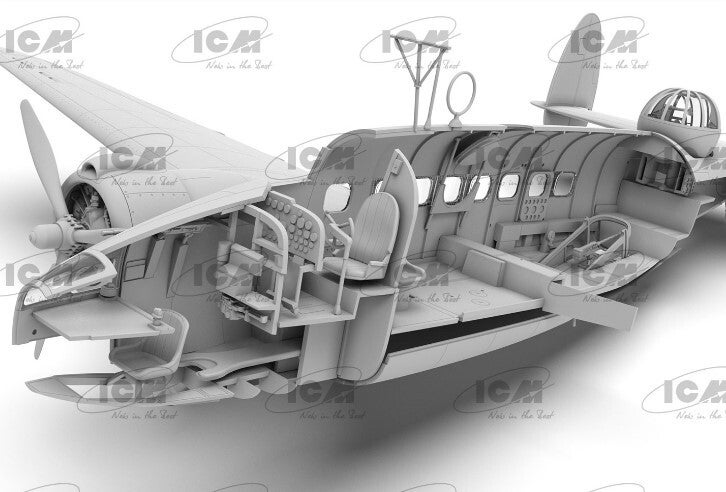
Lockheed Hudson Mk.III.
RAF C.
A British Purchasing Commission arrived in the United States in April 1938 seeking maritime patrol aircraft for the RAF. In response, Lockheed offered a modified Model 14 Super Electra airliner, which legendary designer Clarence “Kelly” Johnson redesigned overnight – notably adding a glazed nose for a navigator and bomb aimer.
A contract for 200 aircraft was signed in late June 1938, making the newly named Lockheed Hudson the first American aircraft to enter RAF service in World War II.
Though adapted from a civilian design, the Hudson became a vital warhorse. It executed diverse roles – including anti-submarine patrols, convoy escorts, bombing strikes, and covert insertion missions for resistance fighters in occupied Europe – before shifting to transport and training duties later in the war.
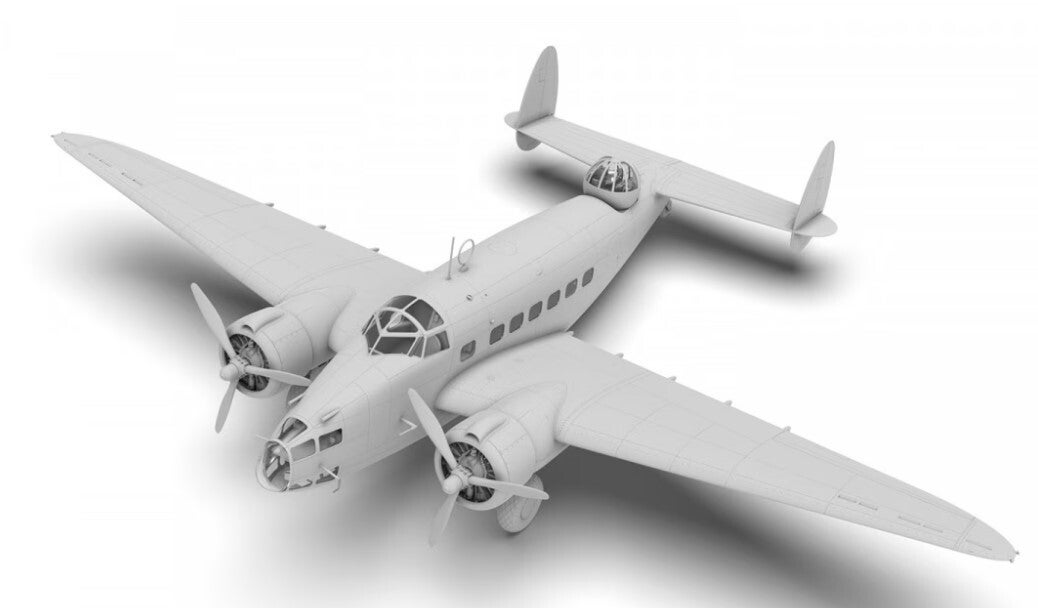
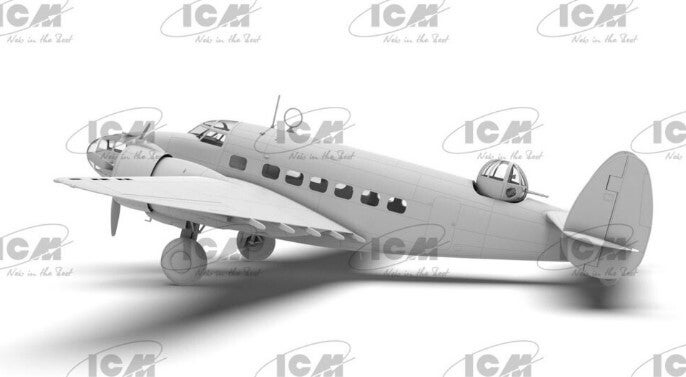
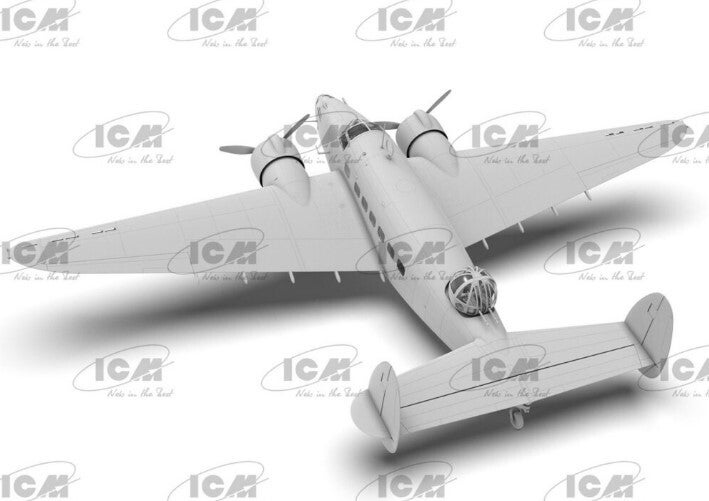
Among its variants was the 1940 Hudson Mk III, powered by twin 1,200 hp Wright Cyclone radial engines and fitted with a retractable ventral gun for lower-rear defense.
---
Lockheed Hudson Mk.III.
Bombardier de reconnaissance de la RAF.
En avril 1938, une commission d'achat britannique se rendit aux États-Unis à la recherche d'avions de patrouille maritime pour la RAF. En réponse, Lockheed proposa un avion de ligne Model 14 Super Electra modifié, que le légendaire concepteur Clarence « Kelly » Johnson redessina en une nuit, ajoutant notamment un nez vitré pour le navigateur et le bombardier.
Un contrat pour 200 appareils fut signé fin juin 1938, faisant du Lockheed Hudson, ainsi rebaptisé, le premier avion américain à entrer en service dans la RAF pendant la Seconde Guerre mondiale.
Bien qu'adapté d'un modèle civil, le Hudson devint un appareil essentiel au combat. Il remplit diverses missions – patrouilles anti-sous-marines, escortes de convois, bombardements et missions d'infiltration secrètes pour les résistants en Europe occupée – avant d'être affecté au transport et à l'entraînement plus tard dans la guerre.
Parmi ses variantes figurait le Hudson Mk III de 1940, propulsé par deux moteurs radiaux Wright Cyclone de 1 200 ch et équipé d'un canon ventral rétractable pour la défense arrière inférieure.
---