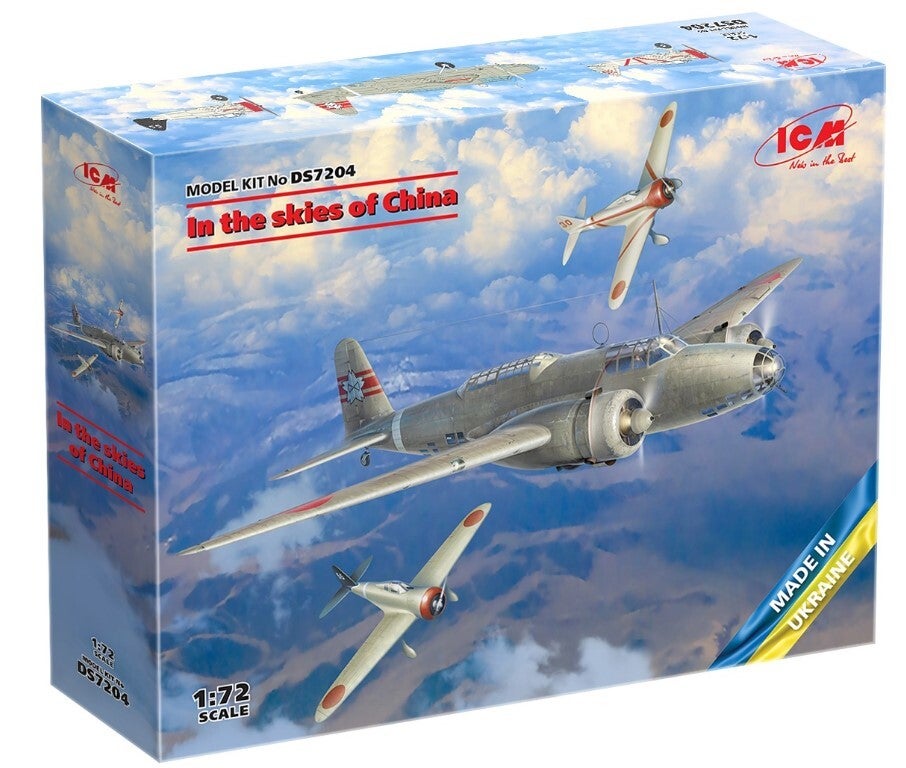
ICM : REF : DS 7204 : 1:72 : AIRKIT MODELE SET : JAPAN : WWII "In the Skies of China" (Ki-21-Ia (Bomber), 2 X KI-27a (Fighter)) (3)
ICM REF :
DS7204
Manufacturer :
ICM (UKRAINE).
EAN : 4823044409891.
Scale-Model release Date : 18.09.2023.
Box Size : 294 x 230 x 58 mm.
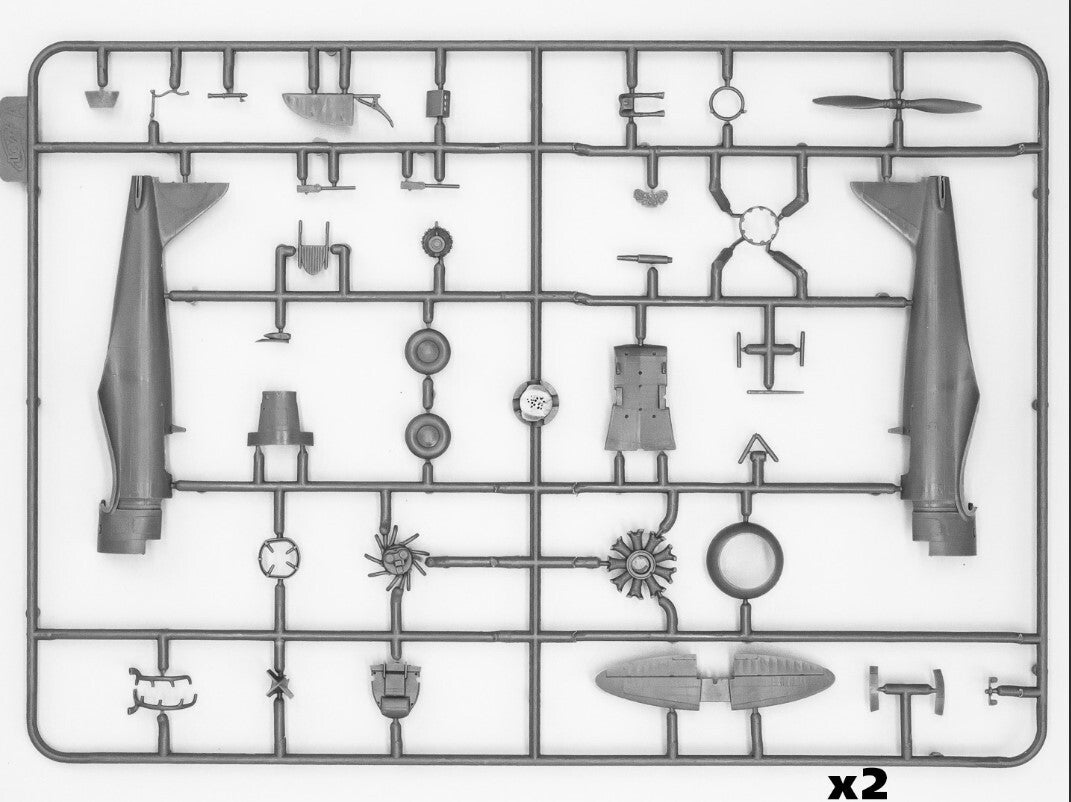
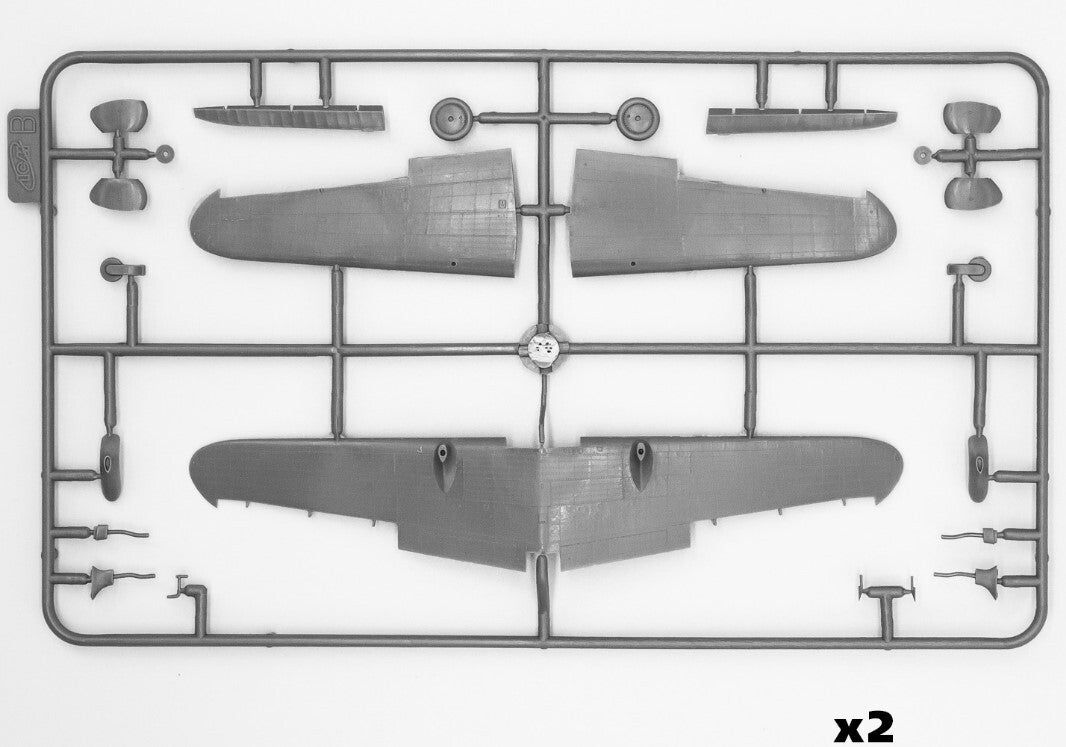
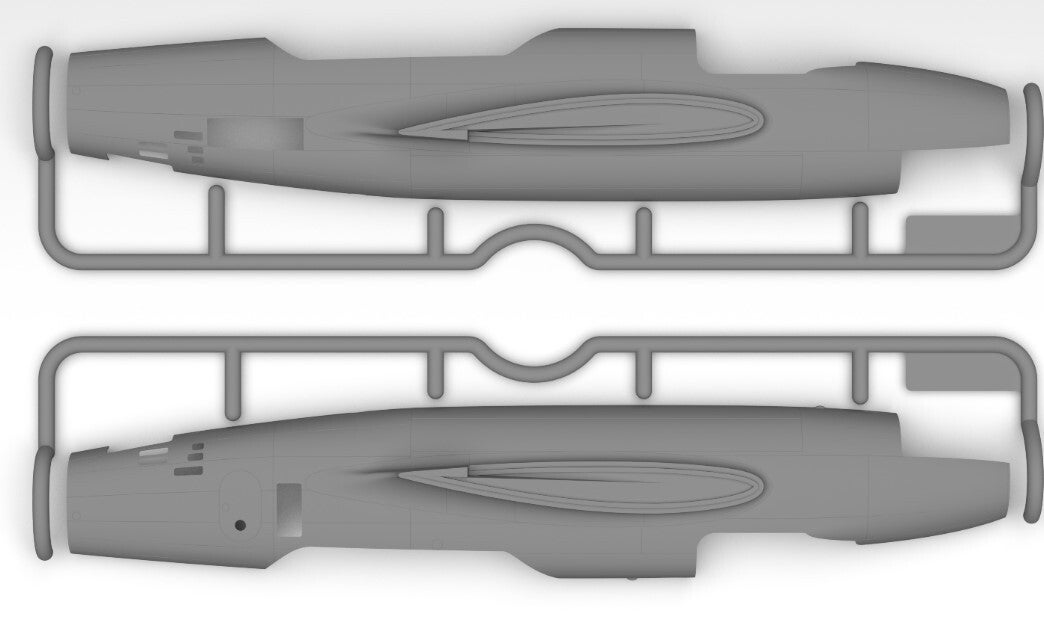
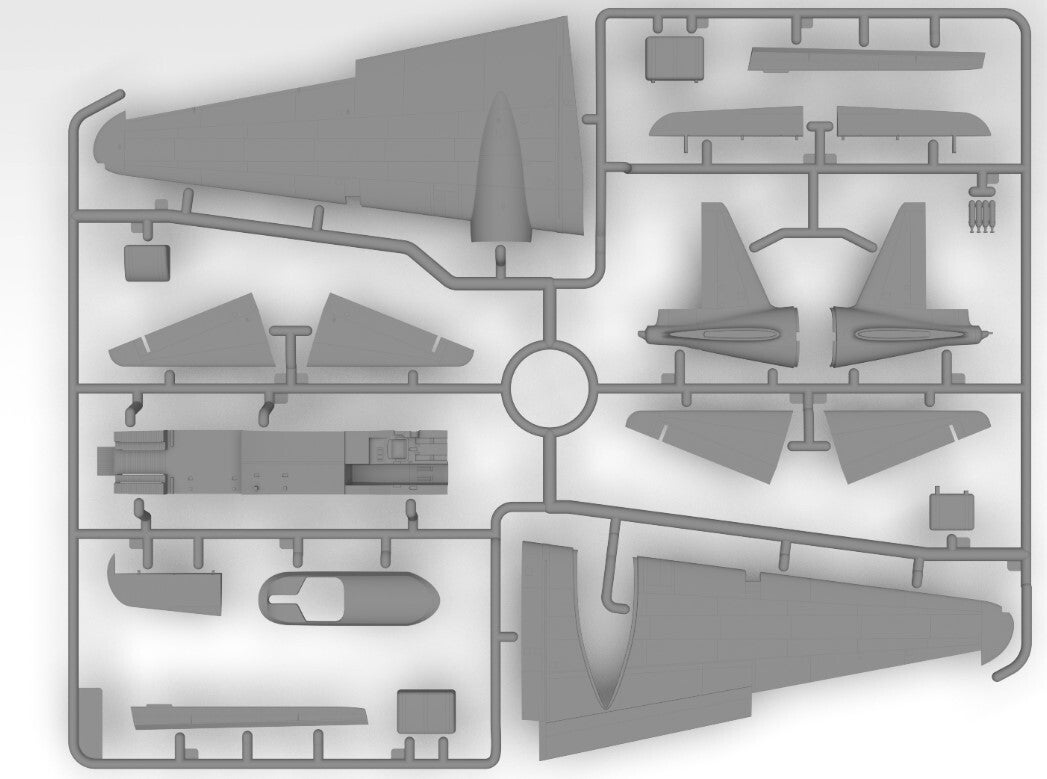
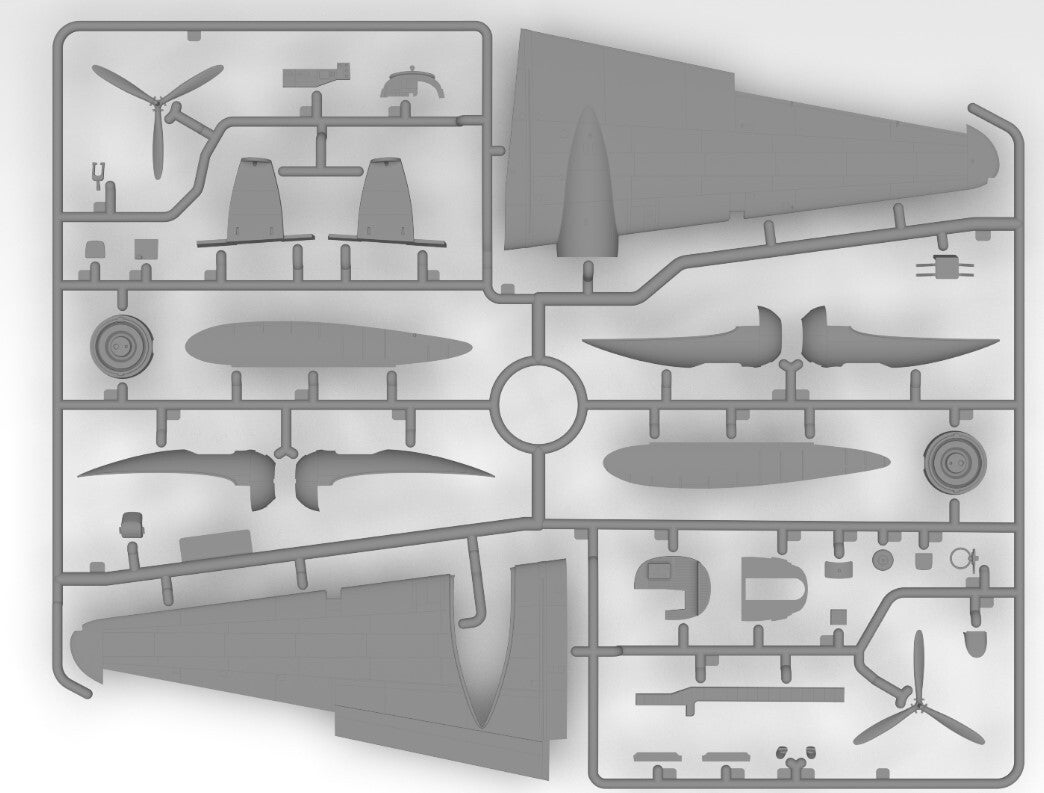
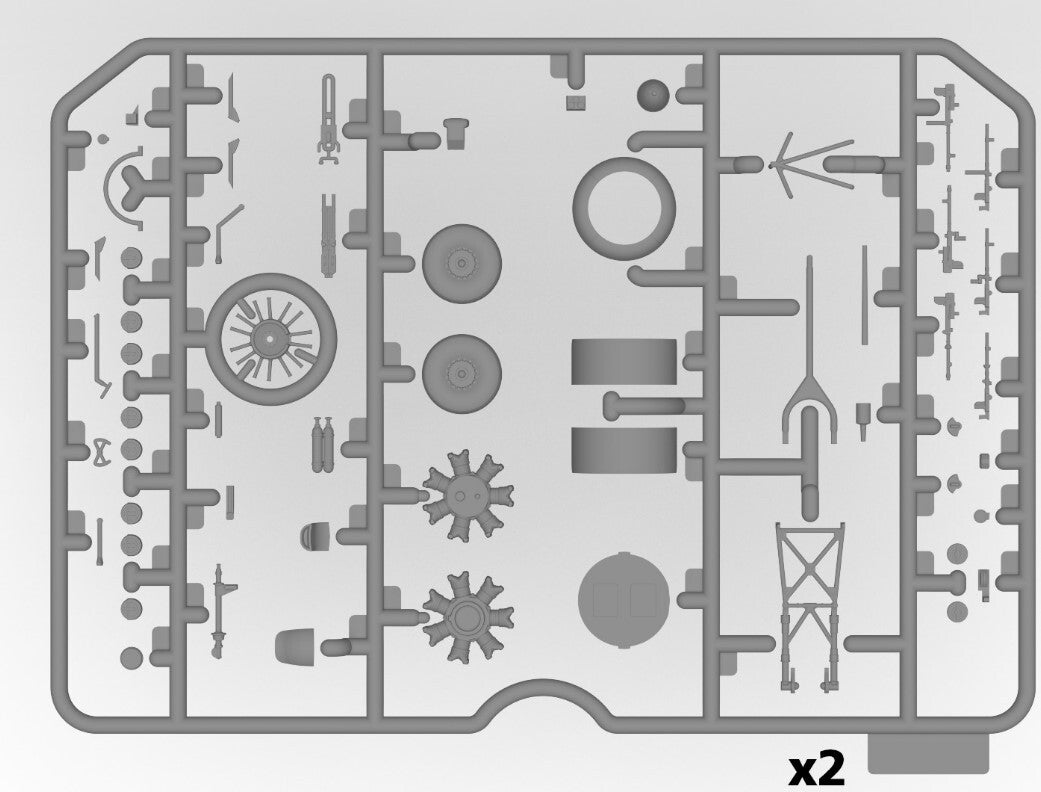
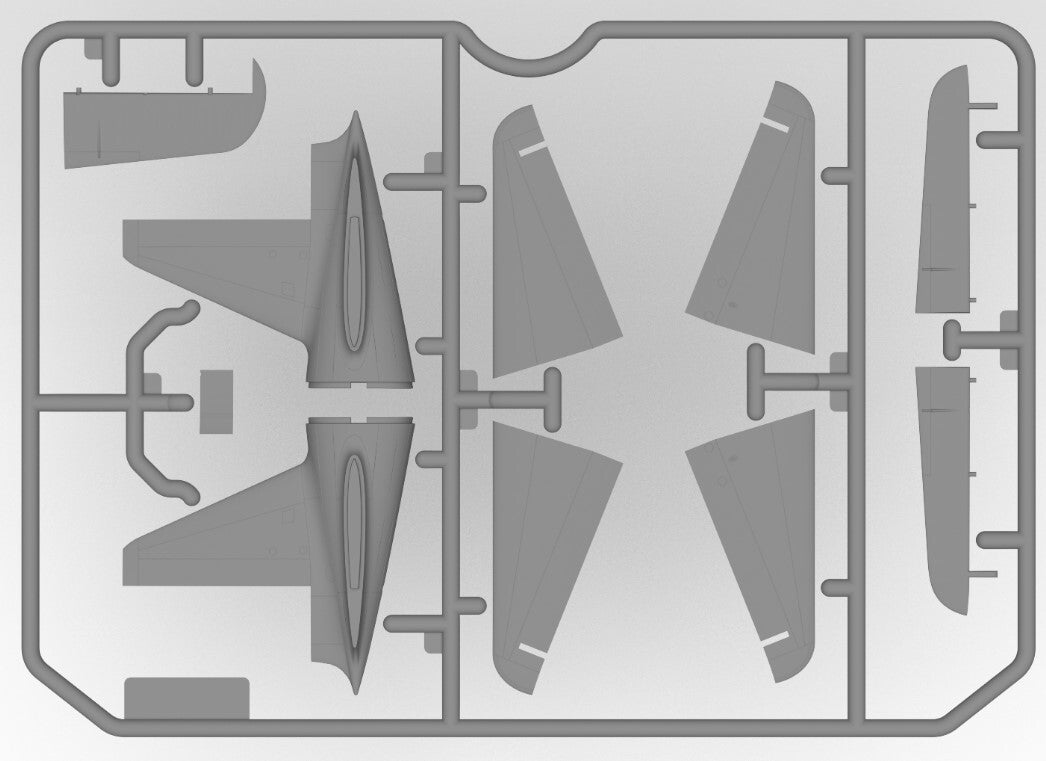
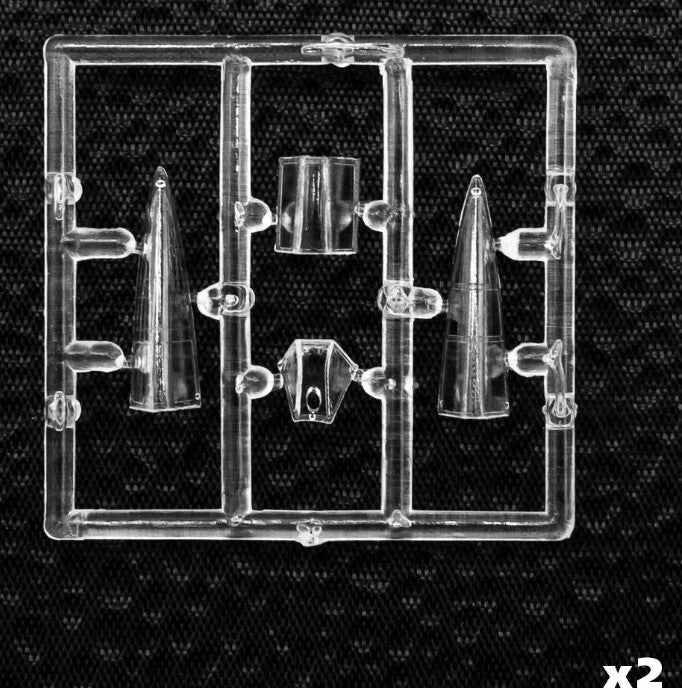
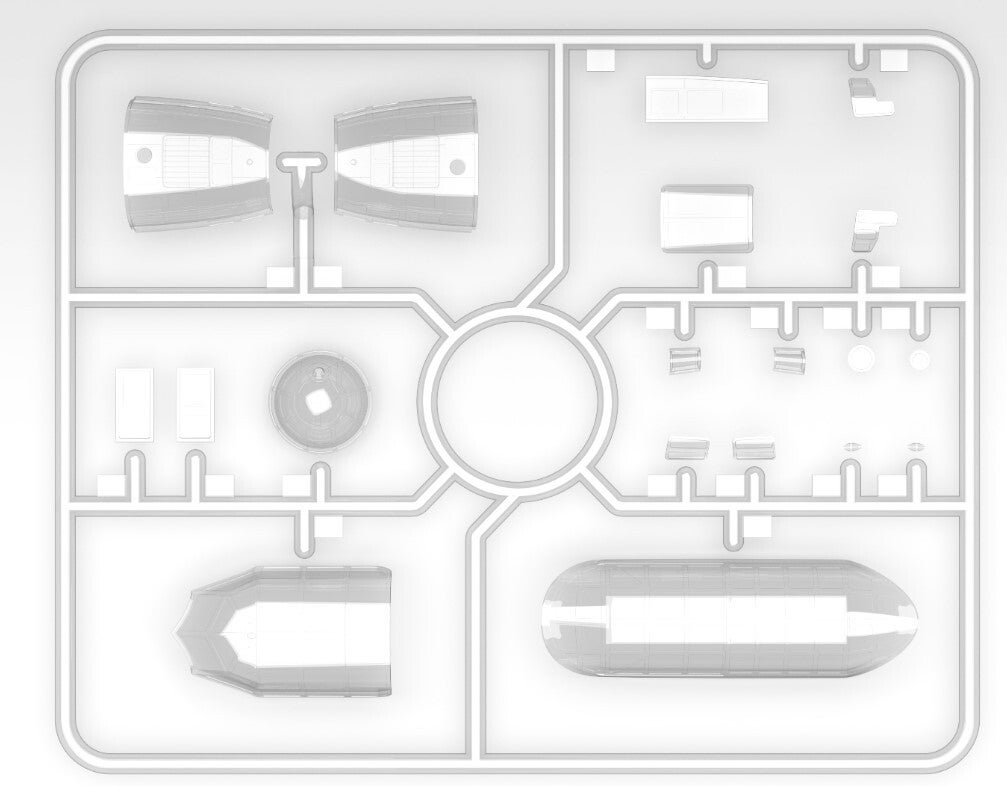
Number of details : 163 + 65.
Scale :
1:72
---
Ki-21-Ia (Mitsubishi Bomber ("Sally")).
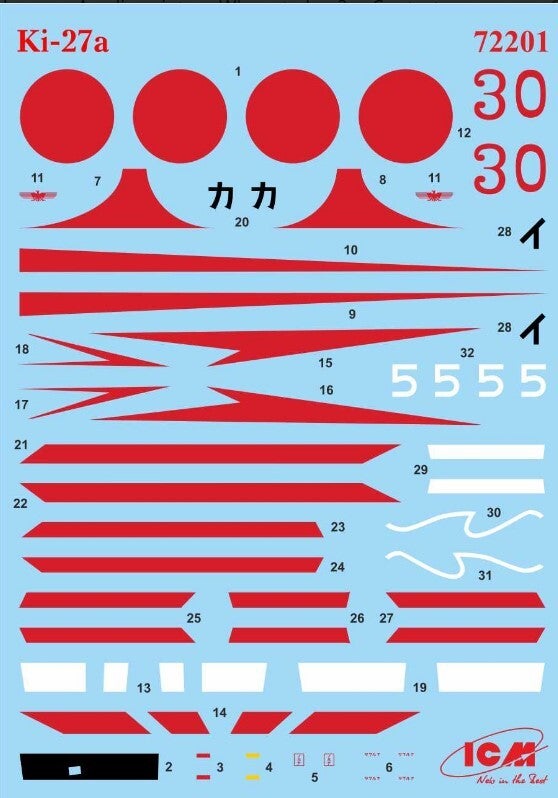
Кі-27а (Nakajima Fighter ("Nate")).
---
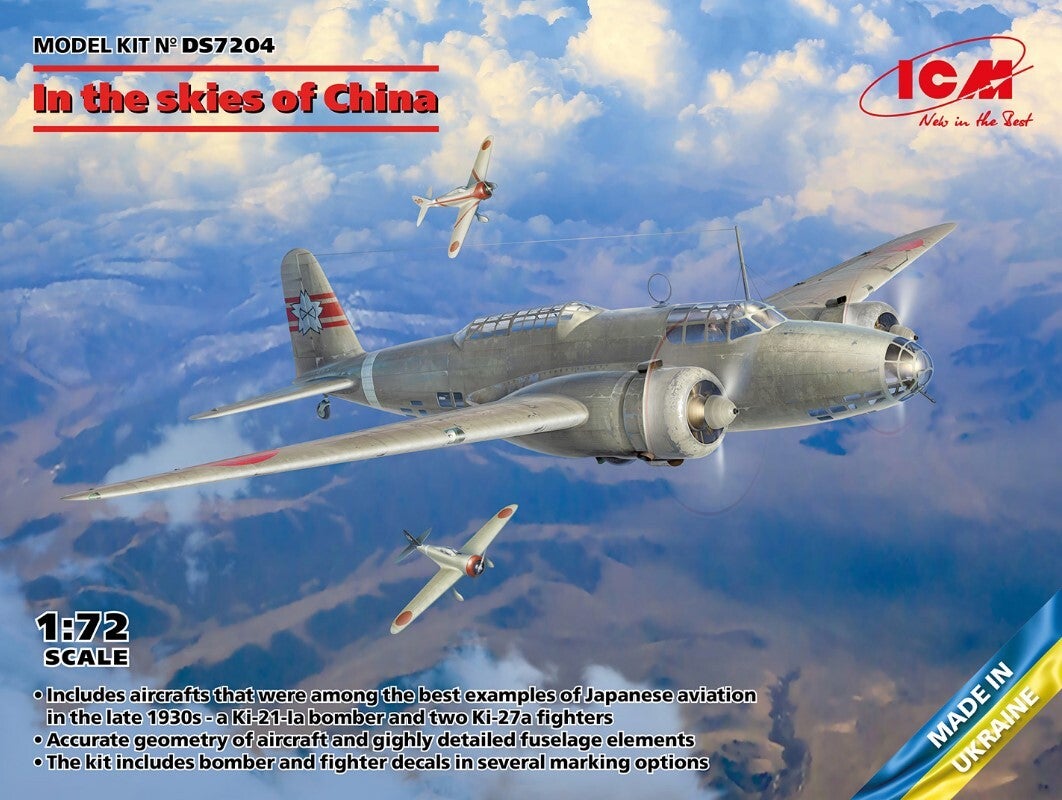
In the skies of China.
(Ki-21-Ia, two Кі-27а).
On July 7, 1937, the incident on the Lugouqiao Bridge near Beijing started the Second Sino-Japanese War. From the first days of the invasion, the Japanese navy’s aircraft held the brunt of the attack, and this forced the army air force to increase its supply of aircraft. In the spring of 1938, the Ki-27a fighter appeared in the skies of China. Its combat qualities, combined with the high training of its personnel, allowed the Japanese air force to gain an advantage over the Chinese Air Force. In air battles, the fighter successfully fought Soviet-made I-15 and I-16 aircraft.
Also in 1938, Ki-21-Ia bombers appeared in the Chinese skies, and the 60th Sentai was the
first to receive them. The planes were immediately involved in active combat operations, and their crews managed to develop an effective tactic of use: they maintained a close combat formation in the target area, combining this with mutual fire support.
The Ki-21-Ia bombers also proved to be highly survivable, being able to withstand damage from a large number of conventional caliber bullets. For a certain period of time, these aircraft were the only long-range bombers in the Japanese Army Air Force.
---
Dans le ciel chinois.
(Ki-21-Ia, deux Ki-27a).
Le 7 juillet 1937, l'incident du pont de Lugouqiao, près de Pékin, marqua le début de la seconde guerre sino-japonaise. Dès les premiers jours de l'invasion, l'aviation de la marine japonaise soutint l'essentiel des attaques, contraignant l'aviation chinoise à renforcer sa flotte. Au printemps 1938, le chasseur Ki-27a fit son apparition dans le ciel chinois. Ses qualités de combat, conjuguées à l'excellent entraînement de son personnel, permirent à l'aviation japonaise de prendre l'avantage sur l'aviation chinoise. Lors des combats aériens, ce chasseur affronta avec succès les avions soviétiques I-15 et I-16.
Toujours en 1938, les bombardiers Ki-21-Ia firent leur apparition dans le ciel chinois, et le 60e Sentai fut le premier à les recevoir. Les avions furent immédiatement engagés dans des opérations de combat actives, et leurs équipages mirent au point une tactique efficace : ils maintinrent une formation de combat rapproché dans la zone cible, combinée à un appui-feu mutuel.
Les bombardiers Ki-21-Ia se révélèrent également très résistants, capables de supporter les dégâts causés par un grand nombre de munitions de calibre conventionnel. Pendant un certain temps, ces appareils furent les seuls bombardiers à long rayon d'action de l'Armée de l'air impériale japonaise.
---
Sources : ICM Website.