HOBBY BOSS : REF : 83878 : 1:35 : UK : Vickers Medium Tank Mk I (1921-1925) (Inter War Period)
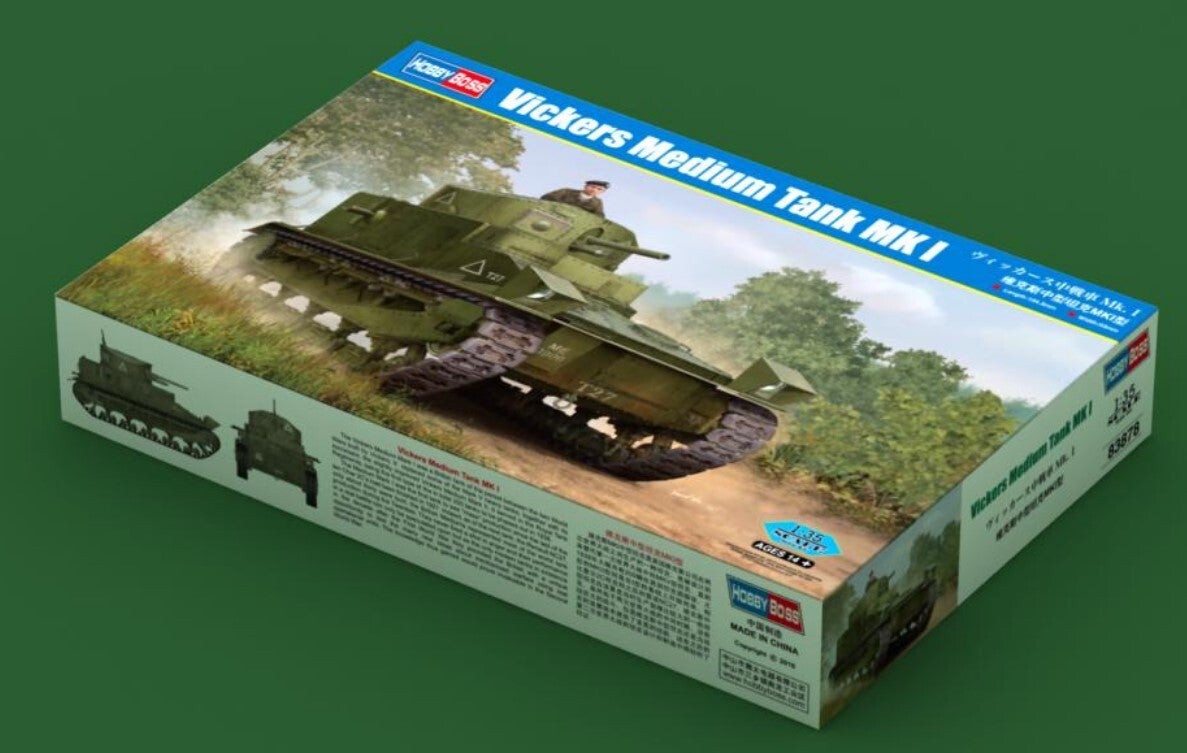
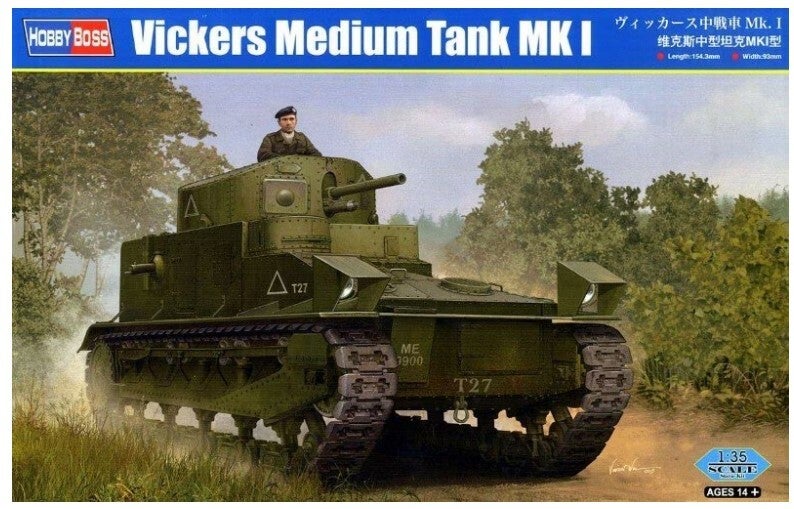
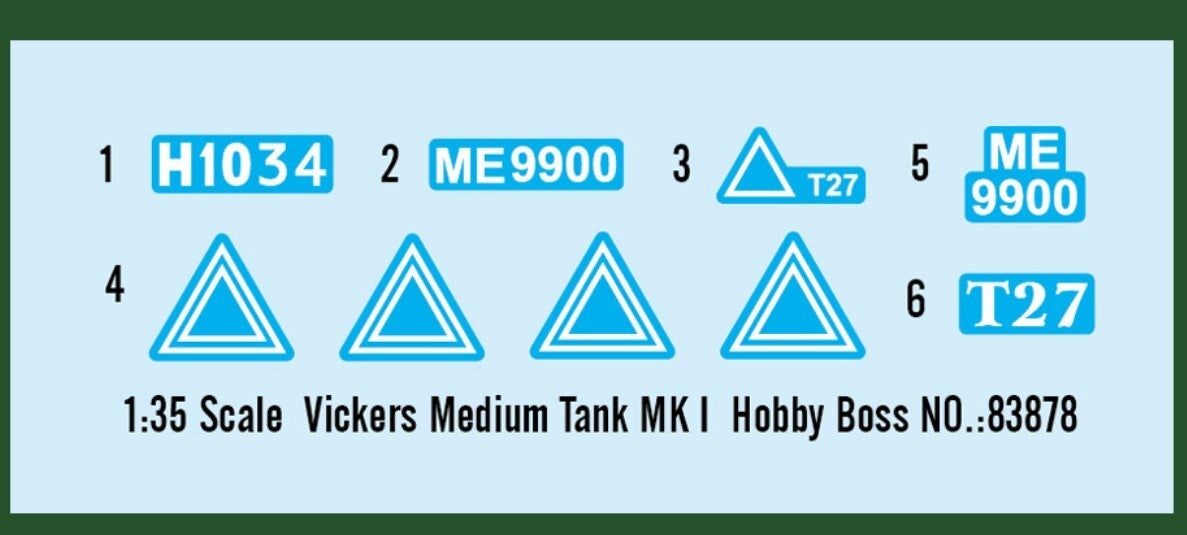
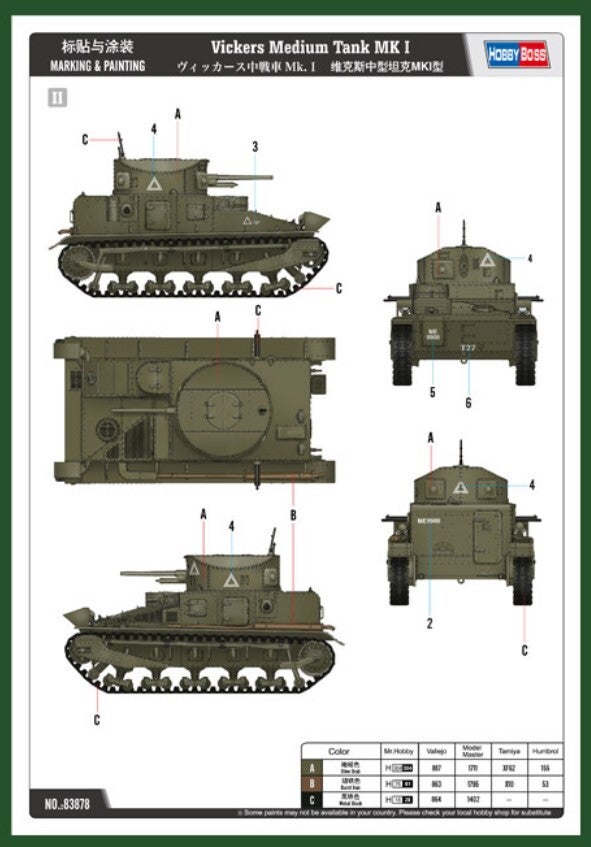
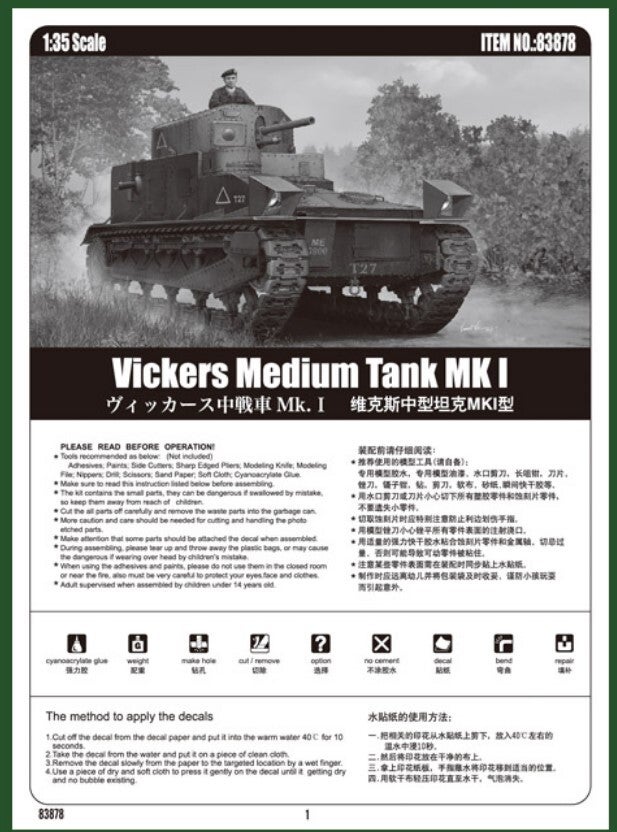
HOBBY BOSS REF :
83878
Manufacturer :
HOBBY BOSS (CHINA).
GTIN : 6939319238788.
Scale :
1:35
---
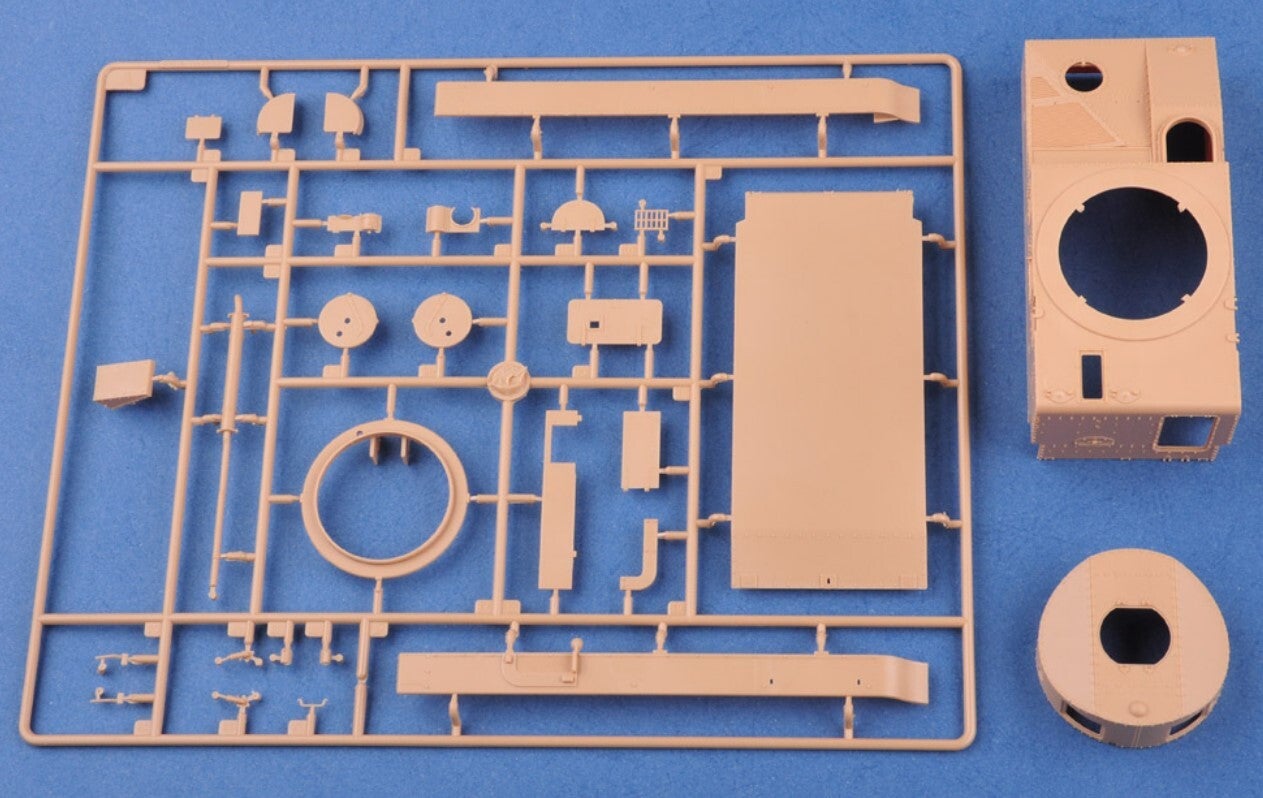
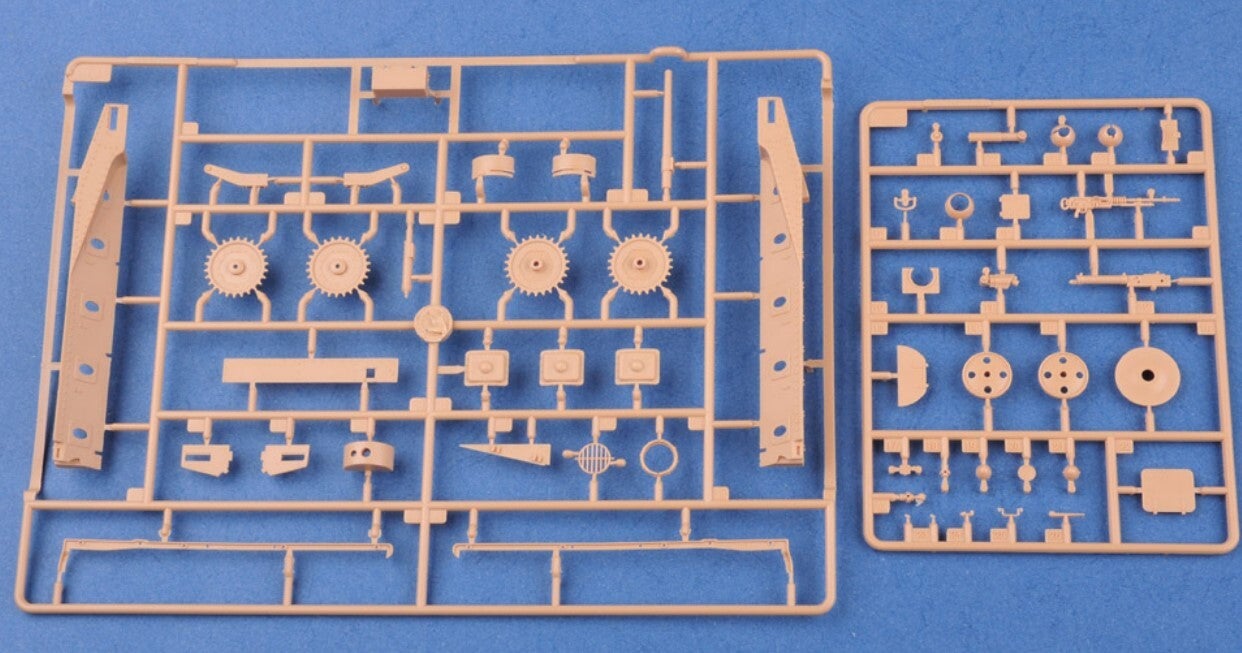
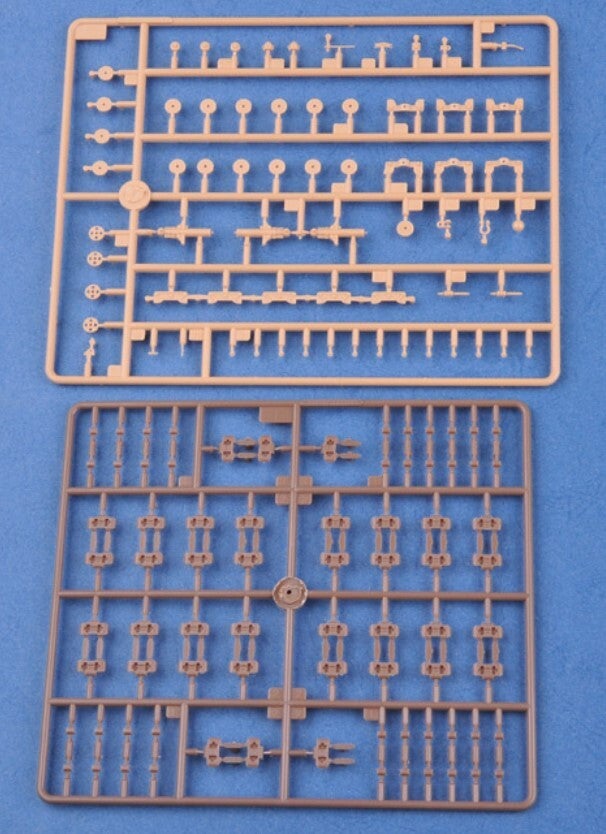
The kit consists of over 720 parts.
the kit w/refined detail.
multi-slide moulded upper hull and turret.
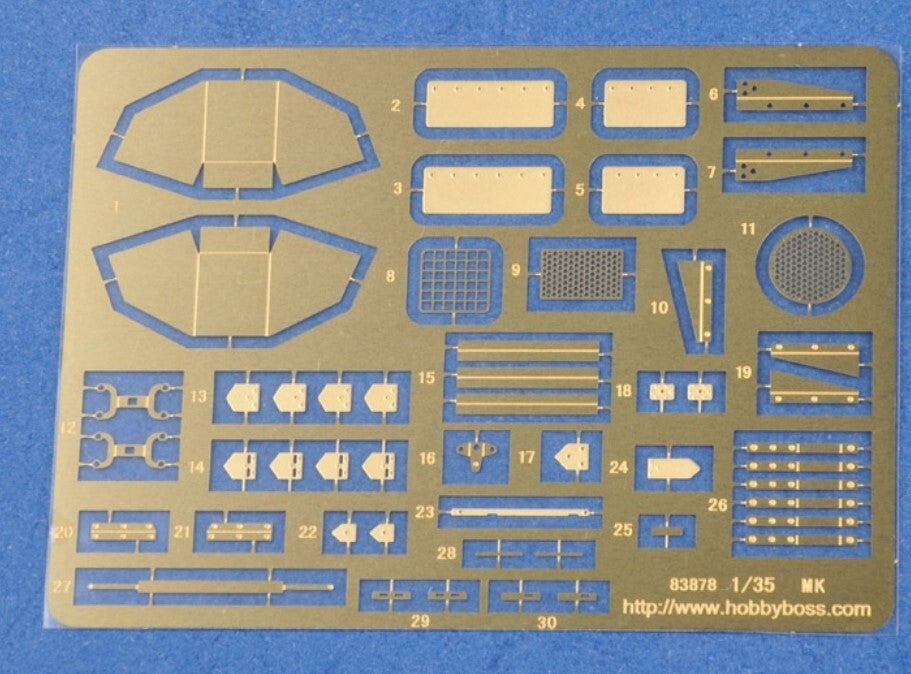
photo etched parts included.
individual tracks.
---
Ce kit comprend plus de 720 pièces.
>Kit aux détails soignés.
>Coque supérieure et tourelle moulées en plusieurs parties.
>Pièces photogravées incluses.
>Chenilles individuelles.
---
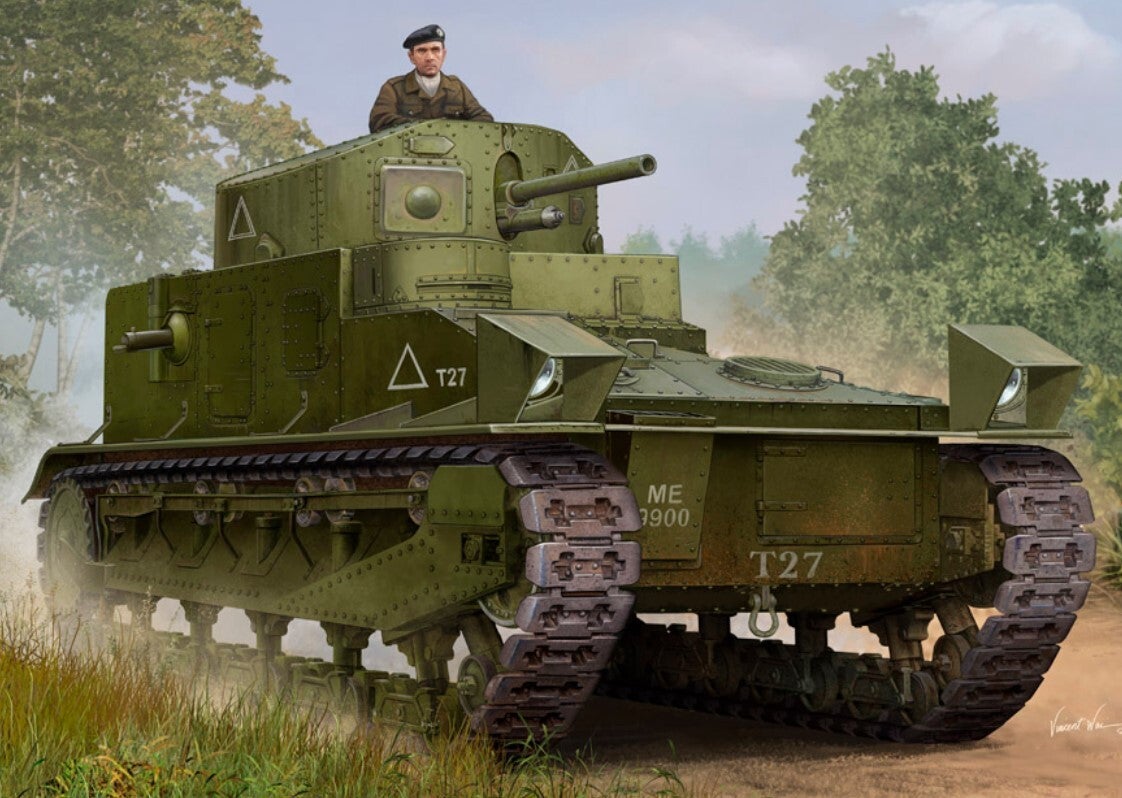
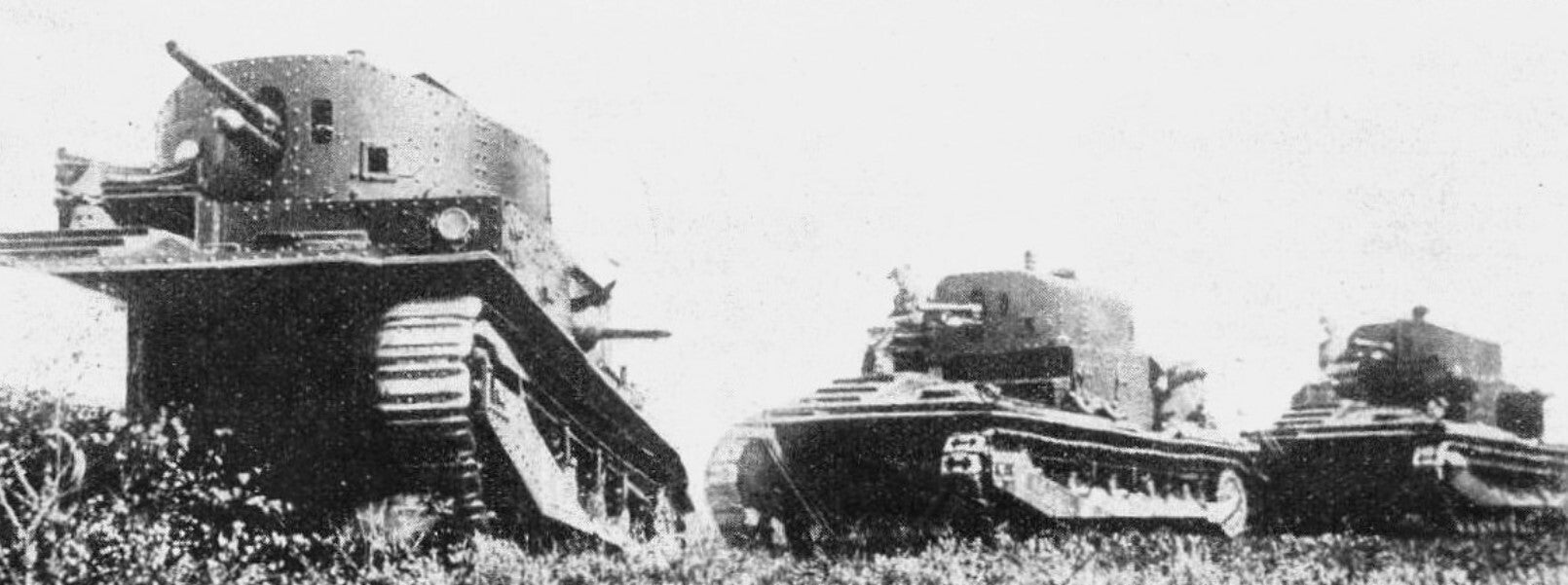
The Vickers Medium Mark I was a British tank of the period between the two World Wars built by Vickers. It replaced some of the Mark V heavy tanks; together with its successor, the slightly improved Vickers Medium Mark II, it served in the Royal Tank Regiments, being the first type of the in total 200 tanks to be phased out in 1938.
The Medium Mark I was the first tank to see "mass" production since the last of the ten Char 2C's had been finished in 1921. Indeed, as of the next tank, the Renault NC27, only about thirty were built, the British Mediums represented most of the world tank production during the Twenties. They never fired a shot in anger and their performance in a real battle can only be speculated upon but as the only modern tanks in existence in the decade after the First World War they provided the British with a unique opportunity to test the many new ideas about mechanised warfare using real operational units. The knowledge thus gained would prove invaluable in the Second World War
---
Le Vickers Medium Mark I était un char britannique de l'entre-deux-guerres, construit par Vickers. Il remplaça certains chars lourds Mark V. Avec son successeur, le Vickers Medium Mark II, légèrement amélioré, il servit au sein des Royal Tank Regiments et fut le premier des 200 chars produits à être retiré du service en 1938.
Le Medium Mark I fut le premier char à être produit en série depuis l'arrêt de la production du dernier des dix Char 2C en 1921. En effet, à partir du char suivant, le Renault NC27, seuls une trentaine d'exemplaires furent construits. Les chars moyens britanniques représentèrent la majeure partie de la production mondiale de chars durant les années 1920. Ils ne tirèrent jamais un seul coup de feu au combat et leurs performances lors d'une véritable bataille restent sujettes à spéculation. Cependant, étant les seuls chars modernes existants dans la décennie qui suivit la Première Guerre mondiale, ils offrirent aux Britanniques une occasion unique de tester de nombreuses idées nouvelles sur la guerre mécanisée au sein d'unités opérationnelles réelles. Les connaissances ainsi acquises s'avéreraient inestimables lors de la Seconde Guerre mondiale.
---