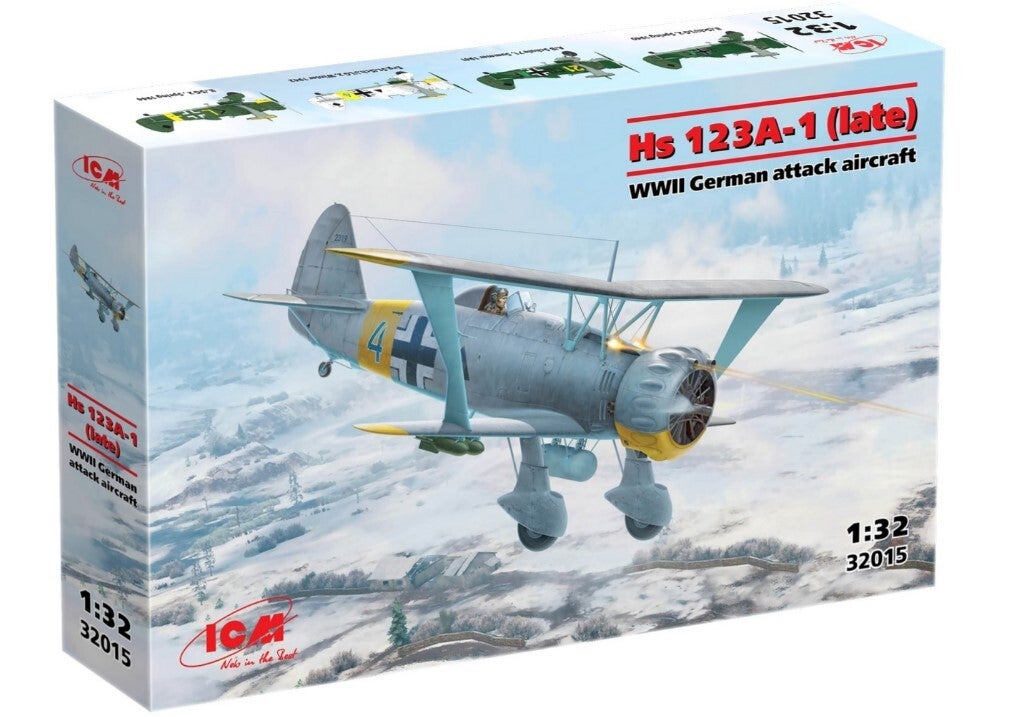
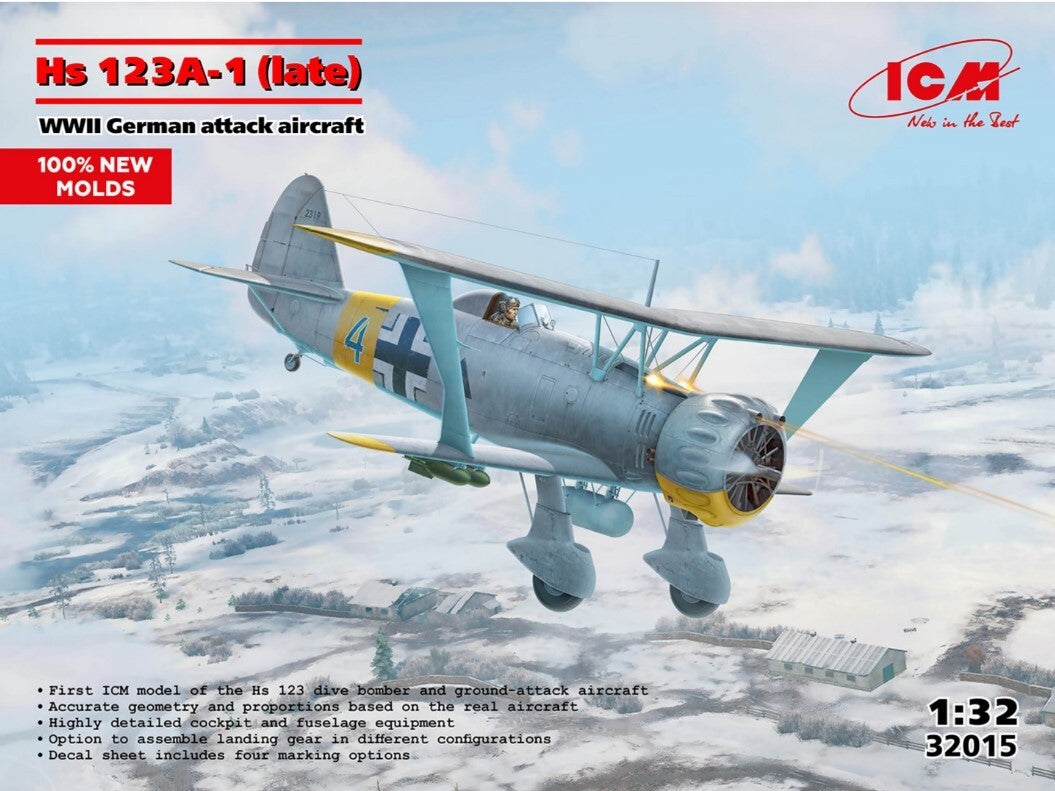
ICM : REF : 32015 : 1:32 : AIRCRAFT KIT : German : HENSCHEL : Hs 123A-1 (LATE) (WWII Attack Aircraft)
ICM REF :
32015
Manufacter : ICM (Ukraine).
GTIN : 4823044411443.
Model size (length x height) : 330 х 272 mm.
Box Size : 410 x 260 x 55 mm.
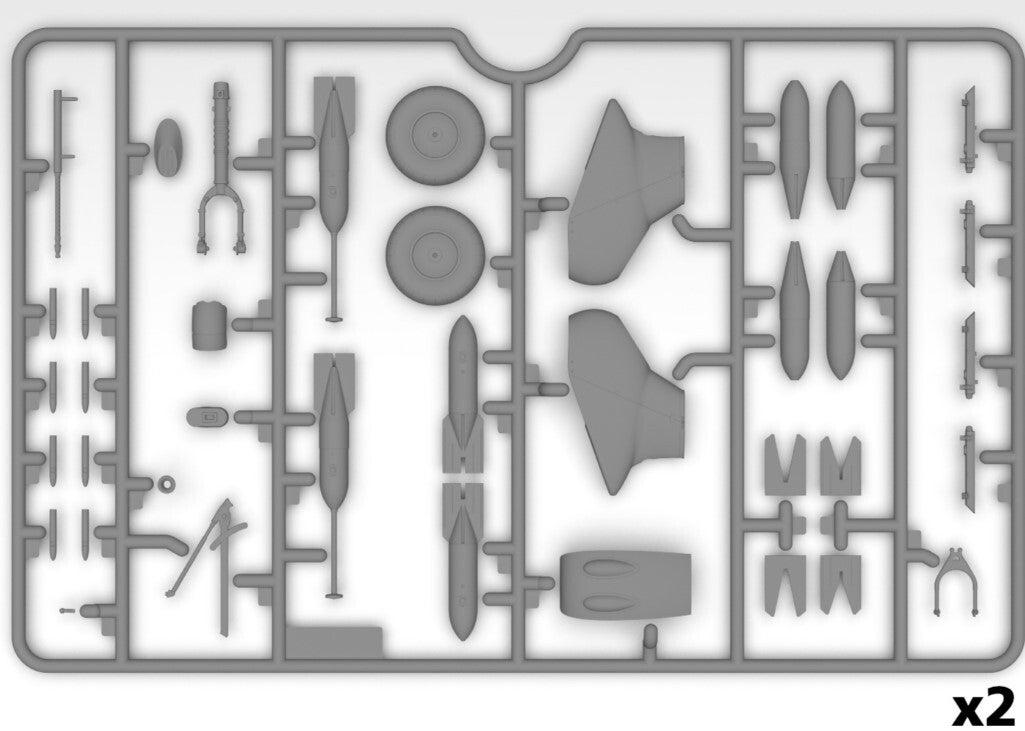
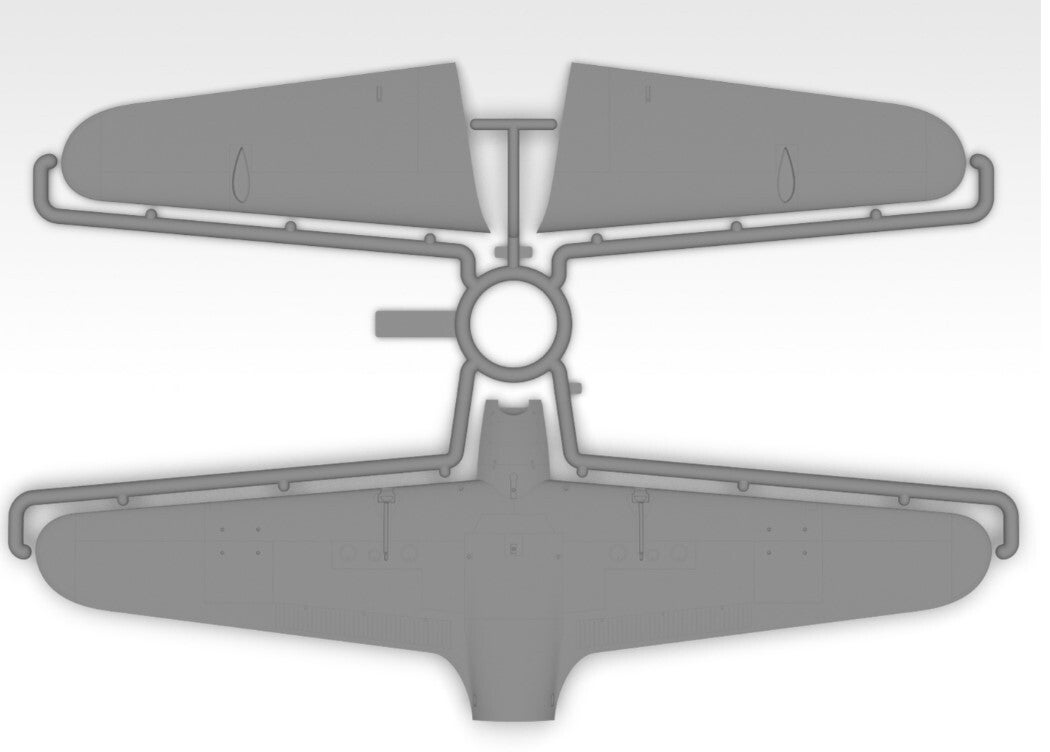
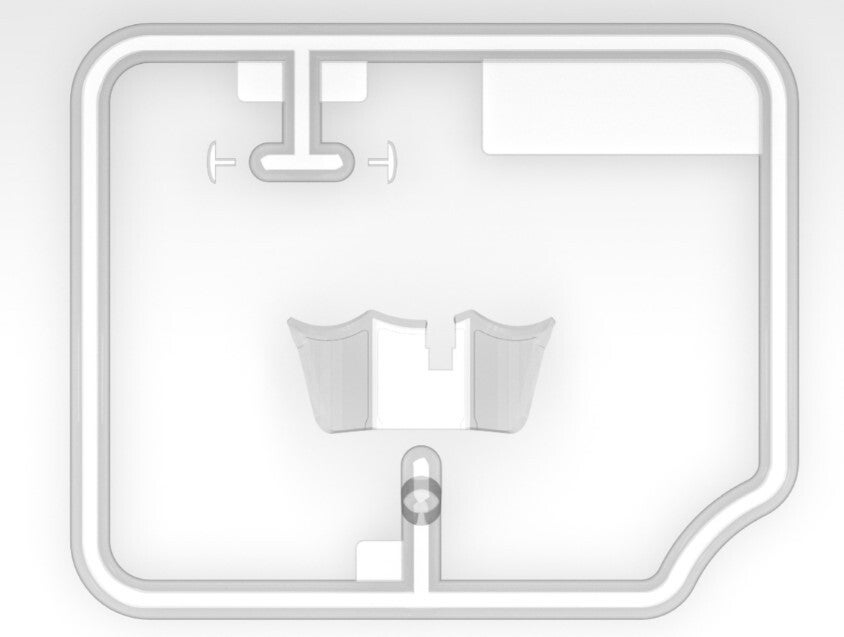
Number of details : 201.
Scale :
1:32
---
Hs 123A-1 (late).
WWII German attack aircraft.
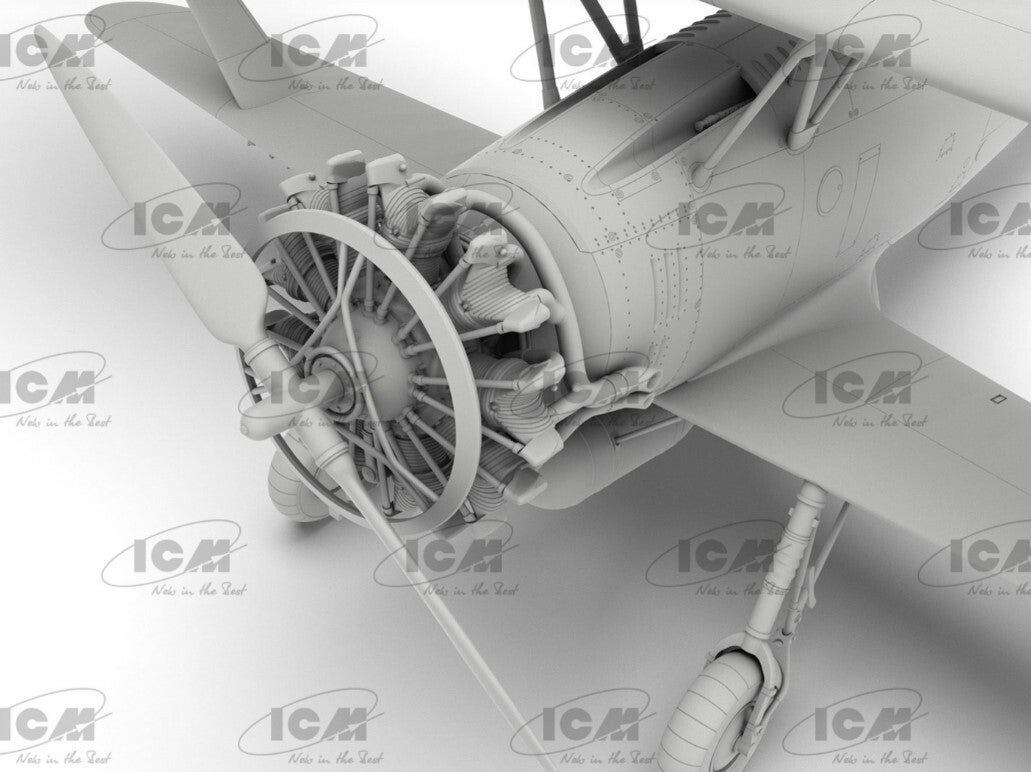
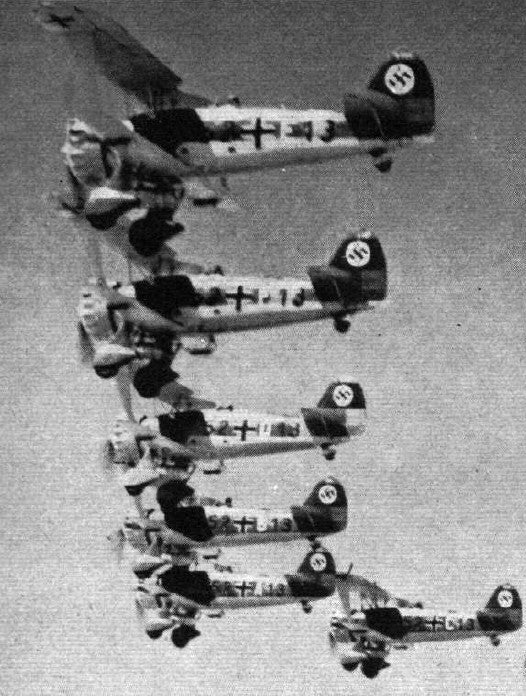
In 1933, at the initiative of the German Reich Ministry of Aviation, development began on a specialized dive bomber. In the spring of 1935, the prototype developed by Henschel Flugzeug-Werke A.G. made its first flight. This prototype was designated Hs-123 V1. The aircraft received positive evaluations, and in September 1936, serial production of the Hs 123A-1 modification commenced. The new attack aircraft was equipped with a BMW 132 engine, delivering 880 horsepower at takeoff.
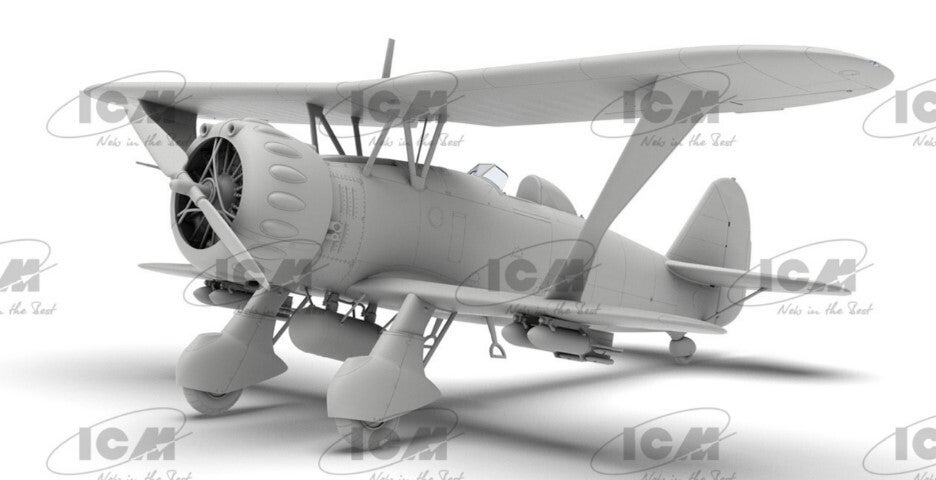
As its built-in armament, it carried two synchronized machine guns mounted behind the instrument panel, firing through special ducts in the engine cowling. The lower wing, fitted with flaps, had four hardpoints for 50-kg bombs, and a single 250-kg bomb could be mounted under the fuselage. The Hs 123s were deployed with units assigned to direct infantry support, and they were also widely used in training units.
At the start of World War II, these aircraft were used during the invasion of Poland, and shortly after in France and the Balkans, where they demonstrated high survivability against anti-aircraft fire, even withstanding direct hits. Later, the Hs 123 saw action in Luftwaffe units during operations against the Soviet Union. Despite its outdated design, the aircraft remained in service with the German Air Force until as late as 1944.
---
Hs 123A-1 (version tardive).
Avion d'attaque allemand de la Seconde Guerre mondiale.
En 1933, à l'initiative du ministère de l'Aviation du Reich, le développement d'un bombardier en piqué spécialisé fut lancé. Au printemps 1935, le prototype mis au point par la société Henschel Flugzeug-Werke A.G. effectua son premier vol. Ce prototype reçut la désignation Hs-123 V1. L'appareil fit l'objet d'évaluations positives et, en septembre 1936, la production en série de la variante Hs 123A-1 débuta. Ce nouvel avion d'attaque était équipé d'un moteur BMW 132, développant 880 chevaux au décollage.
Son armement fixe se composait de deux mitrailleuses synchronisées, installées derrière le tableau de bord et tirant à travers des conduits aménagés dans le capot moteur. L'aile inférieure, dotée de volets, comportait quatre points d'emport pour des bombes de 50 kg, tandis qu'une bombe de 250 kg pouvait être fixée sous le fuselage. Les Hs 123 furent affectés à des unités chargées du soutien direct à l'infanterie ; ils furent également largement utilisés au sein d'unités d'entraînement.
Au début de la Seconde Guerre mondiale, ces appareils furent engagés lors de l'invasion de la Pologne, puis, peu après, en France et dans les Balkans. Ils y démontrèrent une grande robustesse face aux tirs antiaériens, parvenant même à résister à des impacts directs. Par la suite, le Hs 123 fut employé par des unités de la Luftwaffe lors des opérations contre l'Union soviétique. Malgré une conception devenue obsolète, l'appareil resta en service au sein de l'armée de l'air allemande jusqu'en 1944.
---