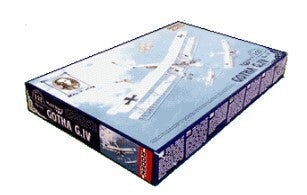
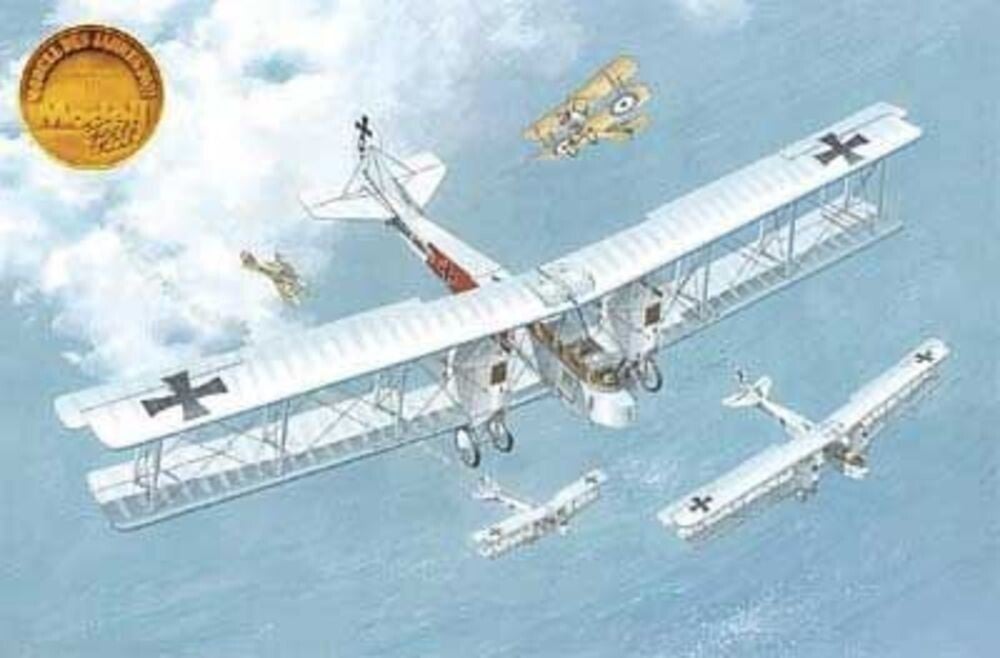
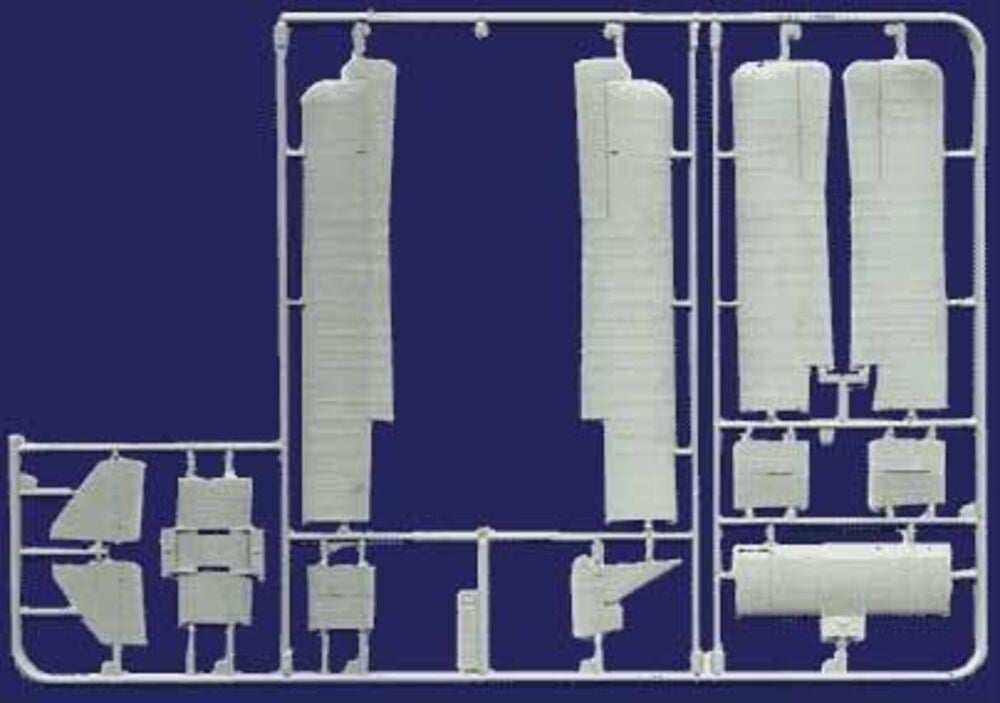
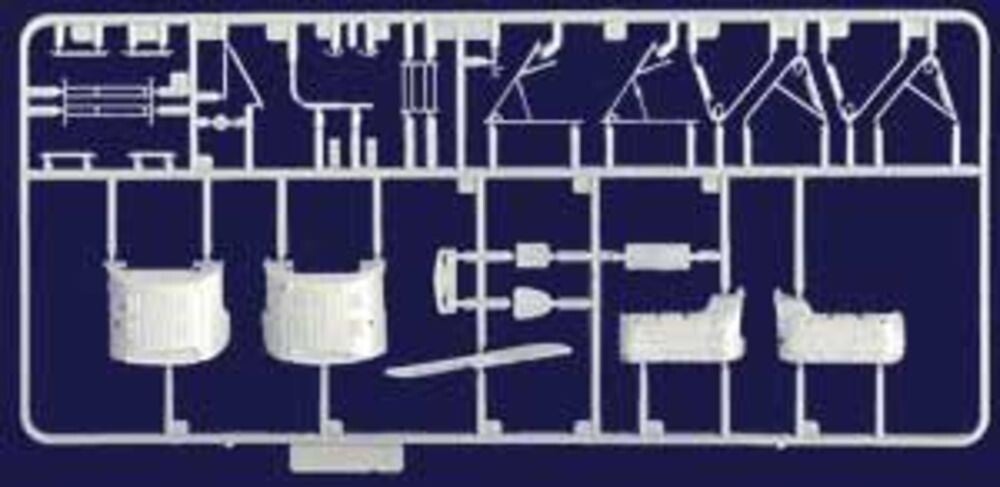
RODEN : REF : 011 : 1:72 : AIRCRAFT KIT : German (Empire) : Gotha G.IV (WWI)
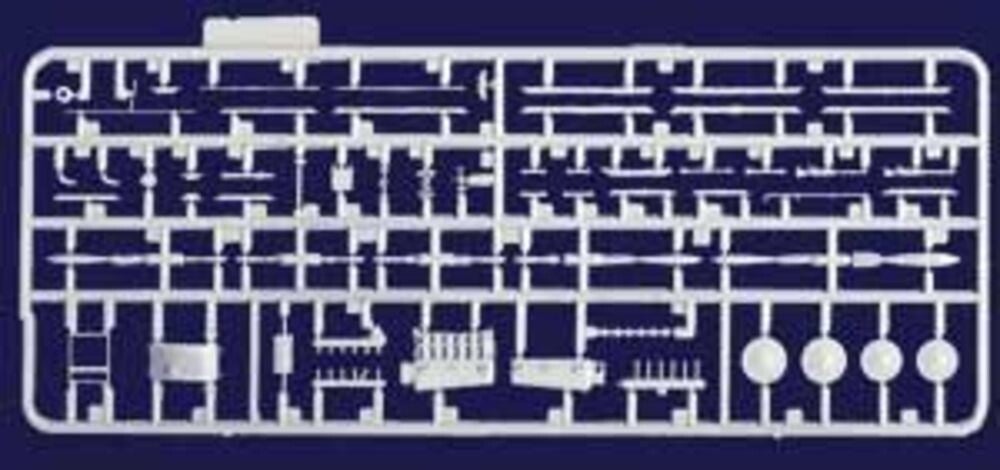
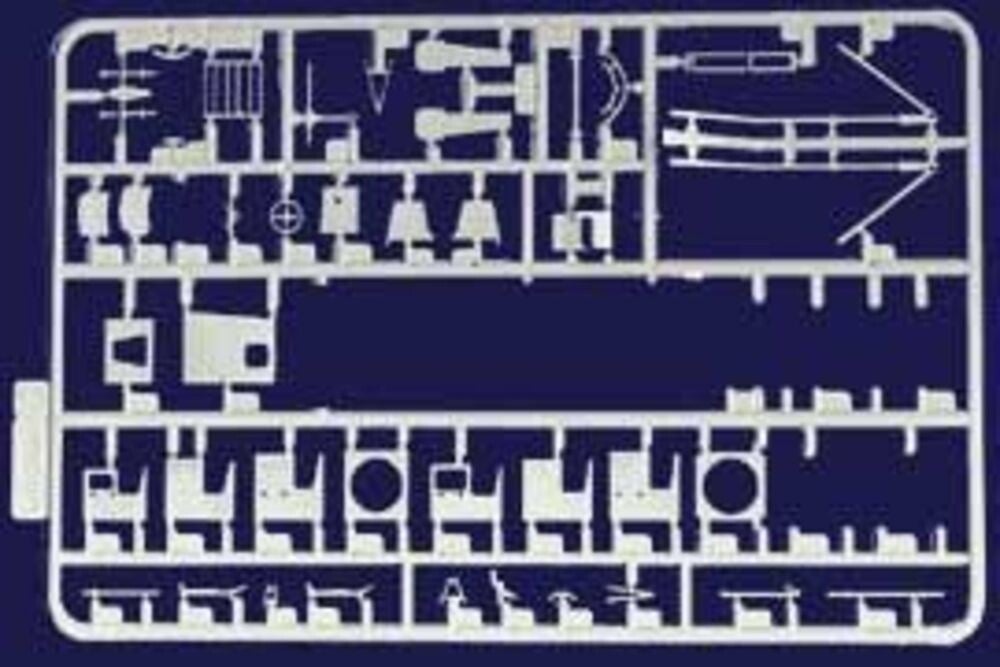
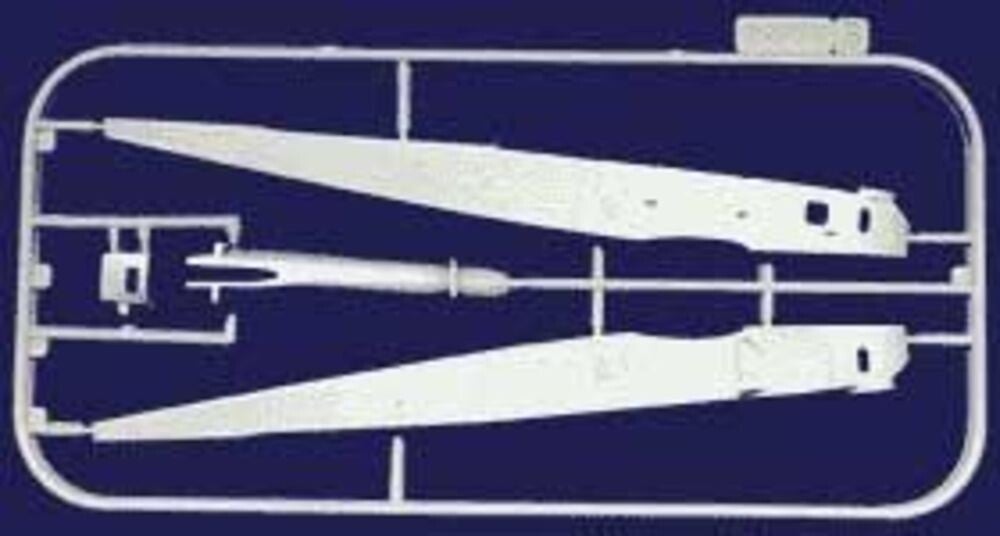
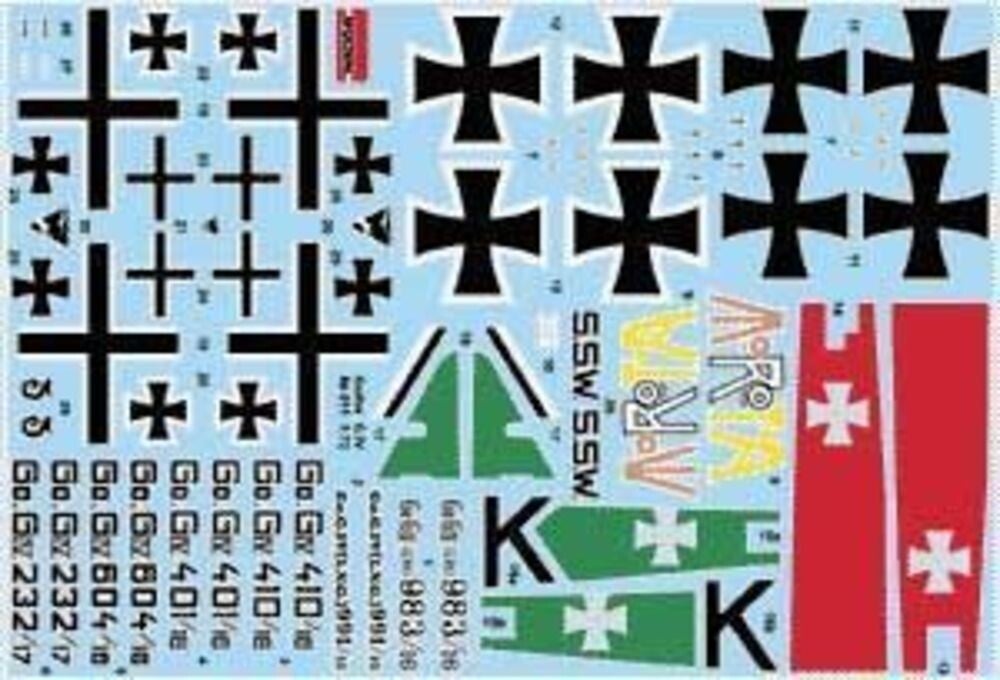

RODEN REF :
011
Manufacturer :
RODEN MODEL (Ukraine).
GTIN : 4823017700109.
Scale :
1:72
---
History :
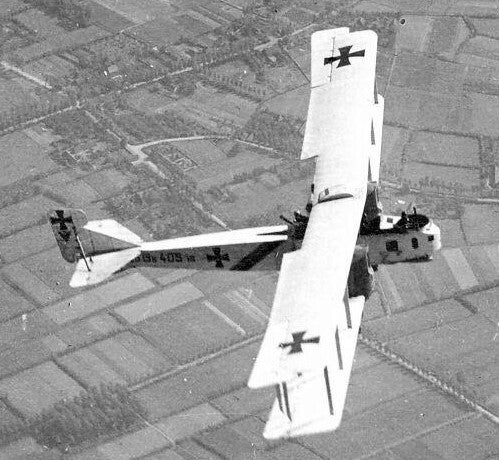
The Gotha G.I, Gotha G.II, Gotha G.III Bombers, were built in 1915-1916 by Gothaer Waggonfabric AG, they were principally a new type of fighting machine (bomber). Nevertheless they were not able to carry out the "Strategic Missions"; this phrase being used by German High command to designate air raids over England. But the situation had changed radically after the successful testing of a new modification by Gotha on the G.IV. The Gotha G.IV differed from its predecessors in the size of its ailerons on both wings and the so-called 'Gotha tunnel' - a special cut-out in the aft bottom part of its fuselage which allowed its gunner to defend the aircraft in both the upper and lower hemispheres. Moreover, additional fuel tanks were installed which increased its range. After Inspection by the Air Force, 52 aircraft were immediately ordered from the Gotha Company and another 180 machines were to be built under license from Luft Verkehrs-Gesselschaft (LWG) and Siemens Schuckert Werke (SSW) until the end of 1916.
In March and April of 1917, Kagohl 3, a new military unit (unofficially called as Englanheschwaders) had obtained the first batch of serially manufactured 'fours'. The staging area of Kagohl 3 was at New Manchester situated on the Belgian coastline, in close proximity to Great Britain.
The first raid was made by Kagohl 3 on May 25 1917; it was aimed at Folkestone, Shorncliffe and Cheriton. The results were terrible: 95 people were killed, and 192 wounded, although with respect to the number of victims, the raid outdid the best raids of the airships. Up to and including September 1917, Kagohl 3 had bombed the British Isles seven more times (London was bombed three times). On June 13th 1917, fourteen Gotha G.IVs attacked the territory near the Liverpool Street Station, dropping 72 bombs in total. 162 people were killed and 432 more were wounded. This raid went down in the history of the First World War as the most powerful raid, taking into account the number of its victims.
The general public of Great Britain were aghast at this, while the press accused the government of being paralyzed, the British were forced to change the whole system of air defense radically; they formed the so-called "Home Defense Network".
Germany, to the contrary, triumphed over the "Defeated Enemy". Hauptmann Ernst Brandenburg, squadron commander of Kagohl 3, was decorated with the highest war decoration for airmen - the Pour le Merite ('Blue Max'). Only fighter pilots were honored with the "Blue Max" before this time.
Starting in September of 1917, Kagohl 3 switched to night raids only, caused by the high losses among the strategically important Gotha G.IVs during the raids (the British home defense network was found to be very efficient). At the same time, Kagohl 3 had received a new modification of the G.IV aircraft - the Gotha G.V- - which gradually relegated the 'fours' to the background. The last five Gotha G.IVs were written off in the autumn of 1918.
---
Histoire :
Les bombardiers Gotha G.I, Gotha G.II et Gotha G.III furent construits en 1915-1916 par la société Gothaer Waggonfabric AG ; ils représentaient, par essence, un nouveau type d'appareil de combat (le bombardier). Néanmoins, ils n'étaient pas en mesure de mener à bien des « missions stratégiques » — terme employé par le haut commandement allemand pour désigner les raids aériens sur l'Angleterre. La situation changea radicalement après les essais concluants d'une nouvelle variante, le Gotha G.IV. Ce dernier se distinguait de ses prédécesseurs par la taille de ses ailerons sur les deux ailes et par ce que l'on a appelé le « tunnel Gotha » : une découpe spécifique dans la partie inférieure arrière du fuselage, permettant au mitrailleur de défendre l'appareil aussi bien dans l'hémisphère supérieur qu'inférieur. Par ailleurs, l'ajout de réservoirs de carburant supplémentaires permit d'accroître son rayon d'action. Après inspection par les forces aériennes, 52 appareils furent immédiatement commandés auprès de la société Gotha, tandis que 180 autres unités devaient être construites sous licence par la Luft Verkehrs-Gesellschaft (LVG) et Siemens-Schuckert Werke (SSW) avant la fin de l'année 1916.
En mars et avril 1917, la Kagohl 3 — une nouvelle unité militaire, surnommée officieusement « Englandgeschwader » (escadre pour l'Angleterre) — reçut le premier lot de Gotha G.IV produits en série. La base opérationnelle de la Kagohl 3 fut établie à Nieuwmunster, sur la côte belge, à proximité immédiate de la Grande-Bretagne.
Le premier raid de la Kagohl 3 eut lieu le 25 mai 1917 et visa Folkestone, Shorncliffe et Cheriton. Le bilan fut effroyable : 95 personnes furent tuées et 192 blessées ; par le nombre de victimes, ce raid surpassa les plus importantes attaques menées jusqu'alors par les dirigeables. Jusqu'en septembre 1917 inclus, la Kagohl 3 bombarda les îles Britanniques à sept reprises supplémentaires (Londres fut visée à trois reprises). Le 13 juin 1917, quatorze bombardiers Gotha G.IV attaquèrent le secteur proche de la gare de Liverpool Street, larguant au total 72 bombes. L'attaque fit 162 morts et 432 blessés. Ce raid est resté dans l'histoire de la Première Guerre mondiale comme l'un des plus dévastateurs, au regard du nombre de victimes.
La population britannique fut frappée de stupeur, tandis que la presse accusait le gouvernement de paralysie. Face à cette situation, les Britanniques furent contraints de modifier radicalement leur système de défense aérienne, en mettant en place ce que l'on a appelé le « réseau de défense intérieure » (Home Defense Network).
Côté allemand, on célébra une victoire sur l'« ennemi vaincu ». Le capitaine (Hauptmann) Ernst Brandenburg, commandant de l'escadre Kagohl 3, fut décoré de la plus haute distinction militaire destinée aux aviateurs : l'ordre « Pour le Mérite » (surnommé « Blue Max »). Jusque-là, cette décoration n'était décernée qu'aux pilotes de chasse.
À partir de septembre 1917, le Kagohl 3 ne mena plus que des raids nocturnes, en raison des lourdes pertes subies par les Gotha G.IV — des appareils stratégiquement cruciaux — lors des opérations précédentes (le réseau de défense britannique s'étant révélé très efficace). Parallèlement, le Kagohl 3 fut doté d'une nouvelle version de l'appareil, le Gotha G.V, ce qui relégua progressivement les modèles G.IV au second plan. Les cinq derniers Gotha G.IV furent retirés du service à l'automne 1918.
---
Sources : Roden Website.